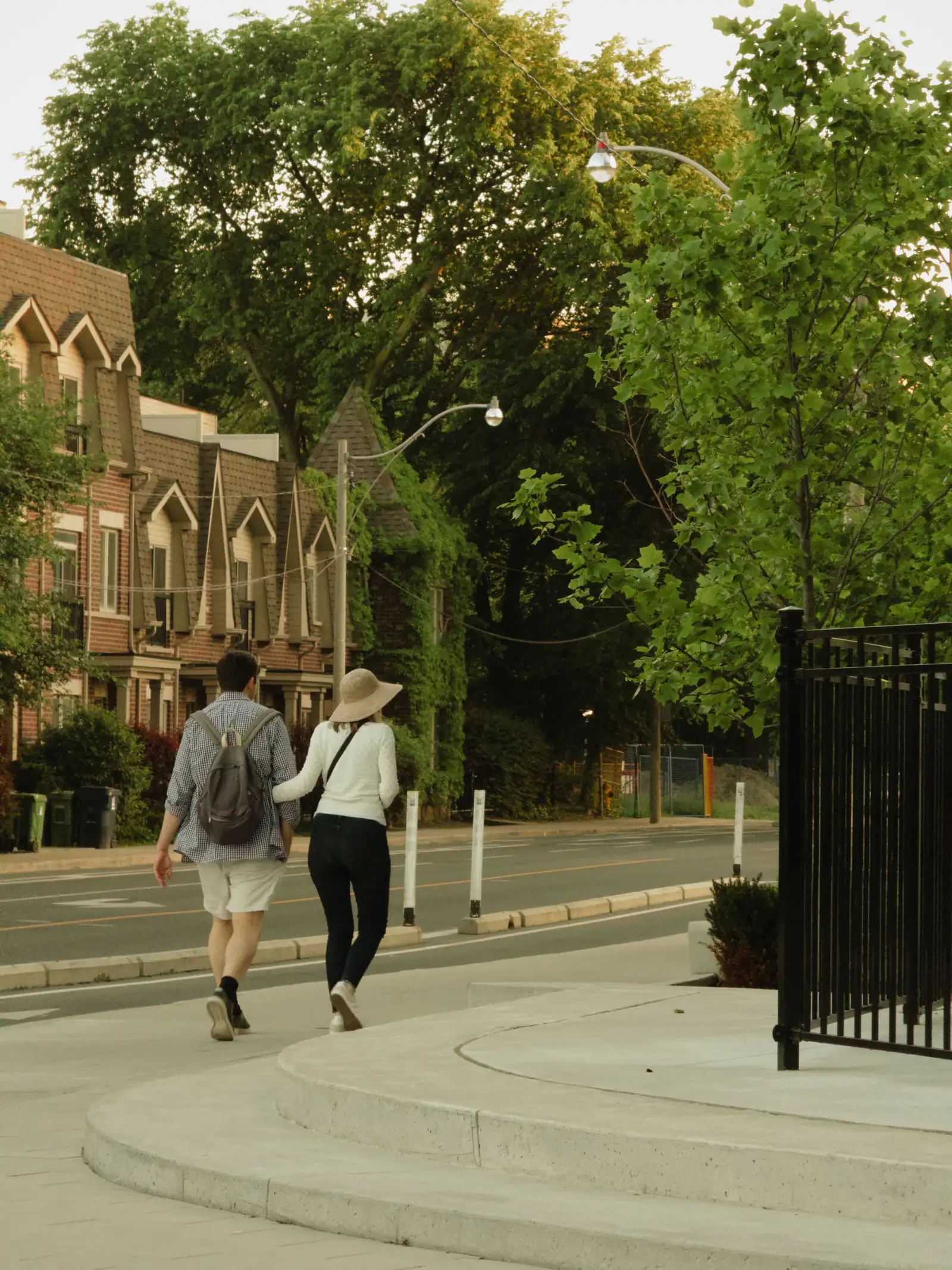
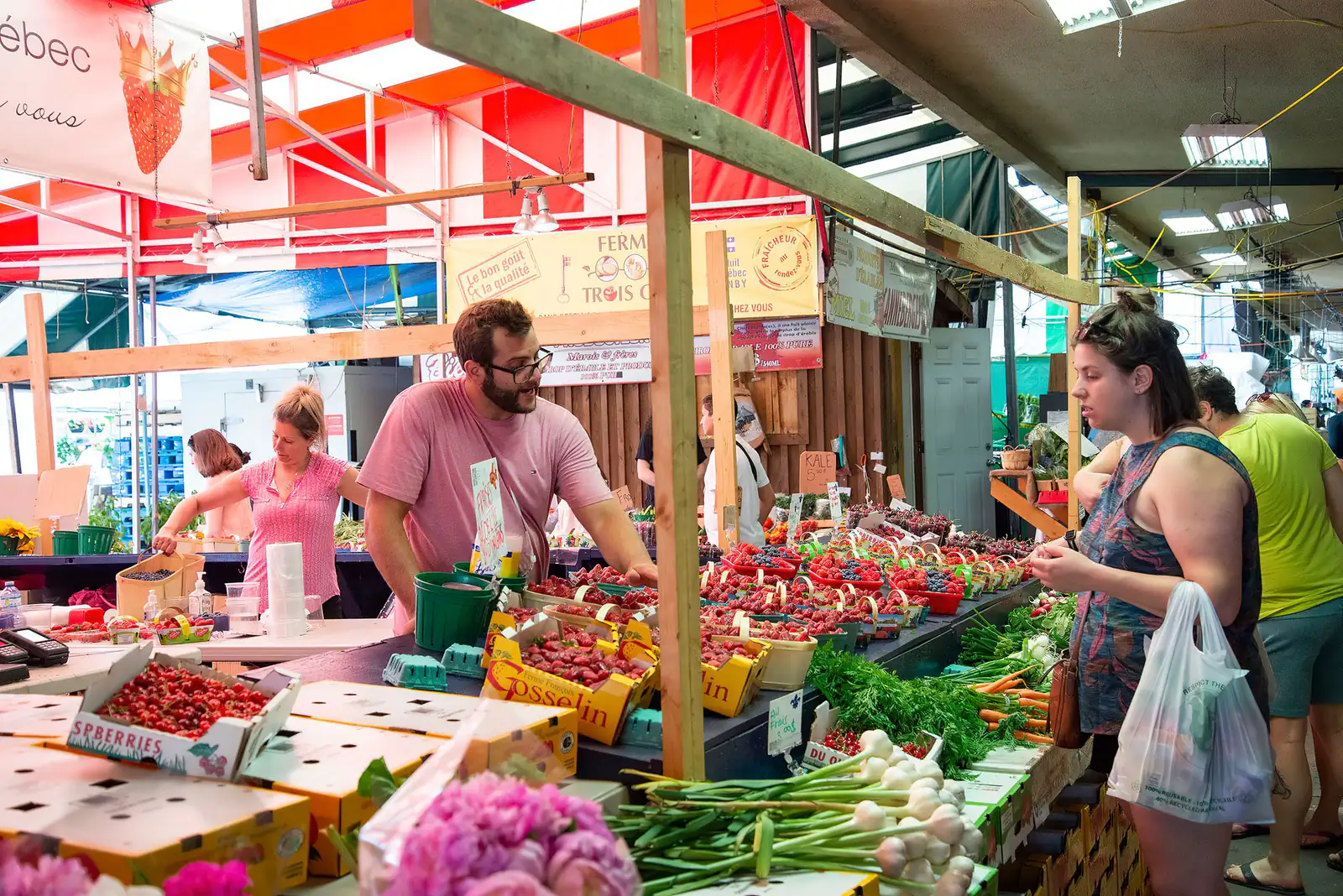
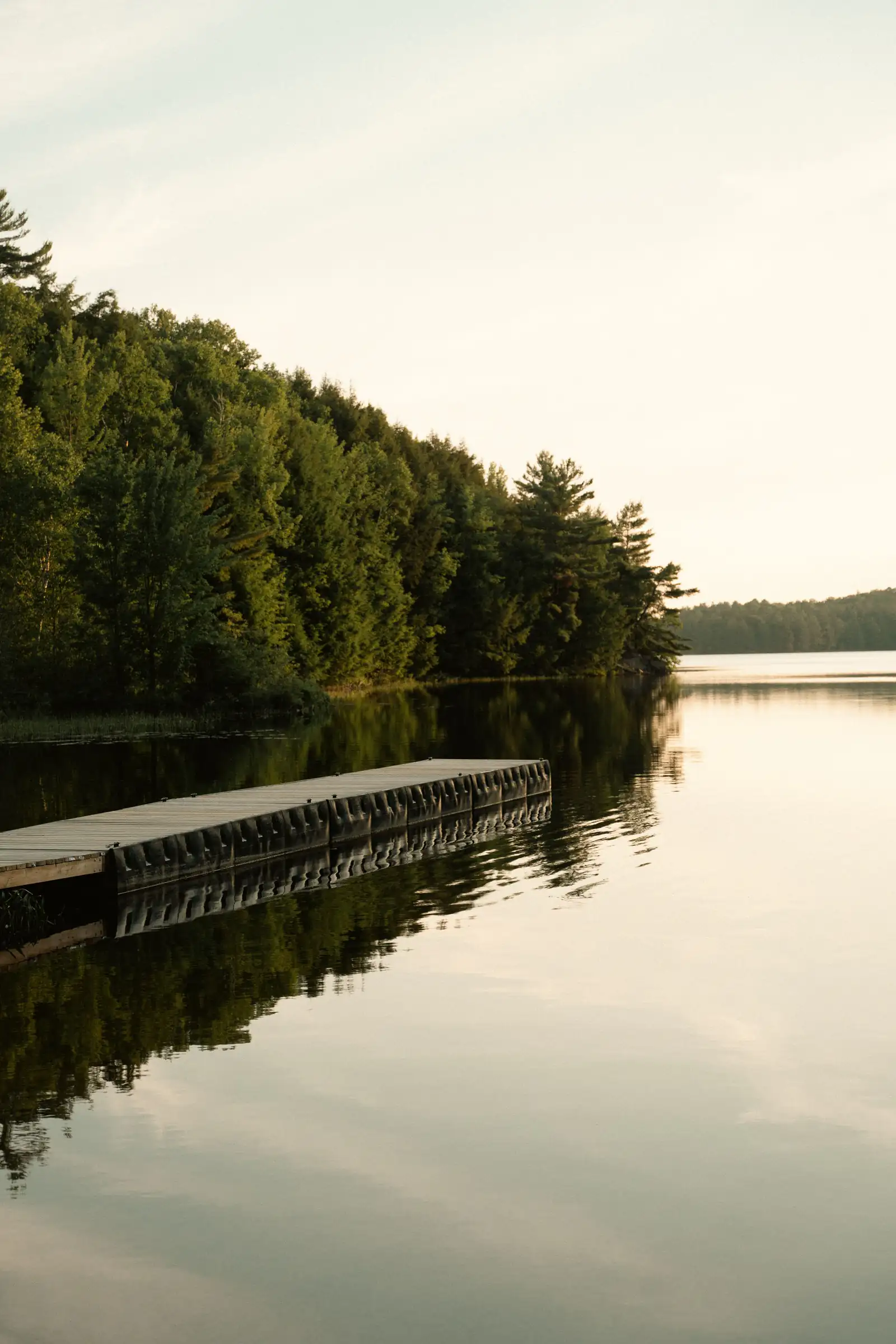
From City Streets to Forest Trails: Finding Green Space Close to Home
Canadian cities are full of green space hiding in plain sight: ravines, river valleys, urban forests and pocket parks.
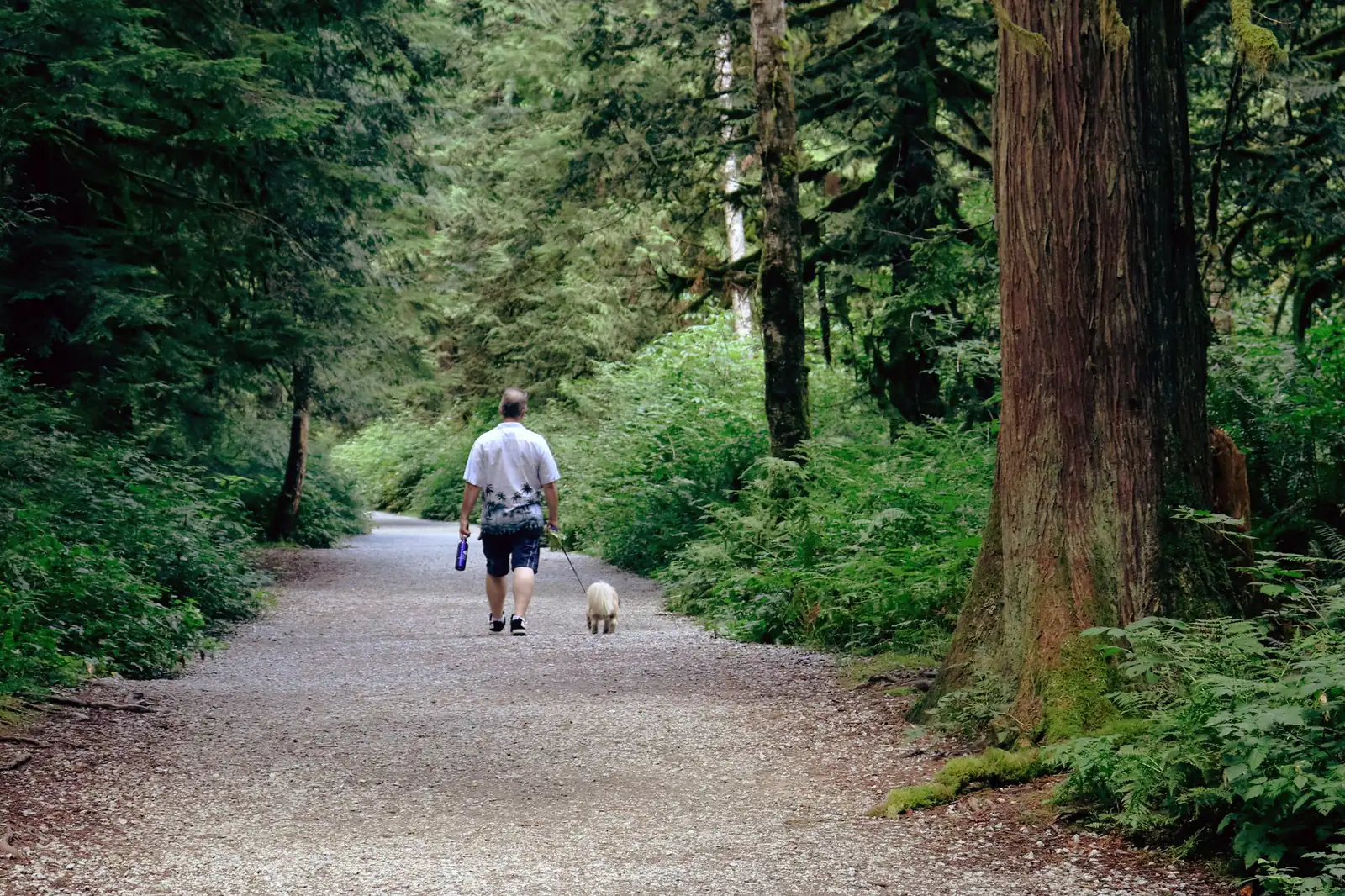
You do not have to leave the city to find yourself under a canopy of trees. Many Canadian cities have far more green space than people realize, much of it threaded through river valleys, ravines, old rail corridors and shorelines. Finding it is mostly a matter of knowing where to look.
Where green space hides in Canadian cities
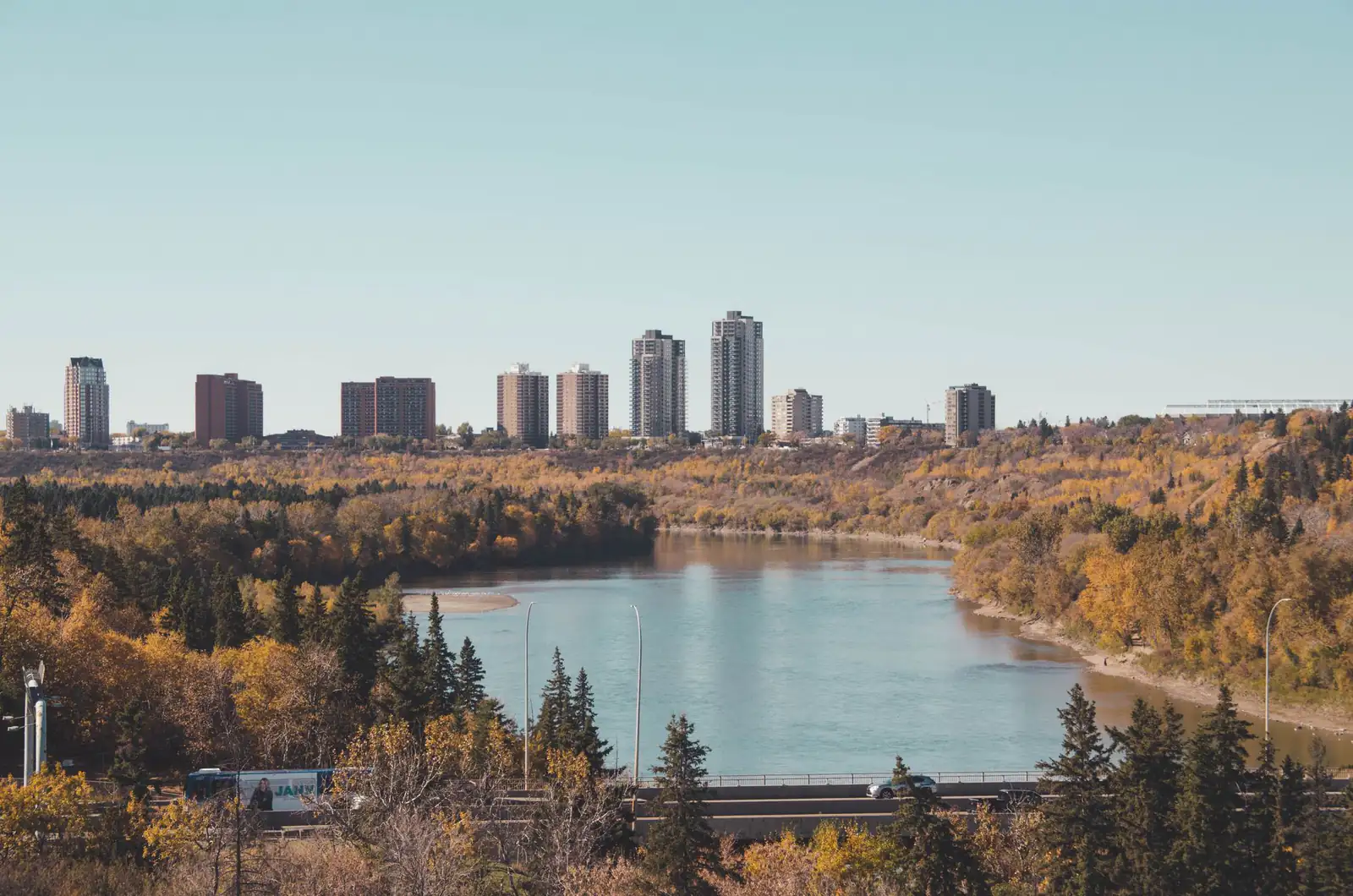
- River valleys. Edmonton's North Saskatchewan River valley holds a large, connected system of parks and trails. Calgary's Bow and Elbow rivers are lined with pathways, and Saskatoon's Meewasin Valley follows the South Saskatchewan River through the city.
- Ravines. Toronto's ravine system creates long, forested corridors below street level, often just steps from busy neighbourhoods.
- Urban forests. Stanley Park in Vancouver and Mount Royal in Montreal give their cities large, wooded spaces right next to downtown.
- Rail trails. Former rail lines across the country have become walking and cycling routes that link neighbourhoods and towns.
- Pocket parks and community gardens. Small spaces matter too. A shaded bench and a few planters can be a daily dose of green.
How to find your nearest trails
Start with your municipality's parks and recreation website, which usually includes maps of parks, trails and facilities. Conservation authorities, regional districts and provincial park agencies often publish trail guides as well. Your local library may have walking guides, and many community groups lead free nature walks.
A good habit is to look at a map in satellite view and simply follow the green. You will often spot a strip of trees along a creek or a park that connects to a much larger corridor.
Making green space a habit
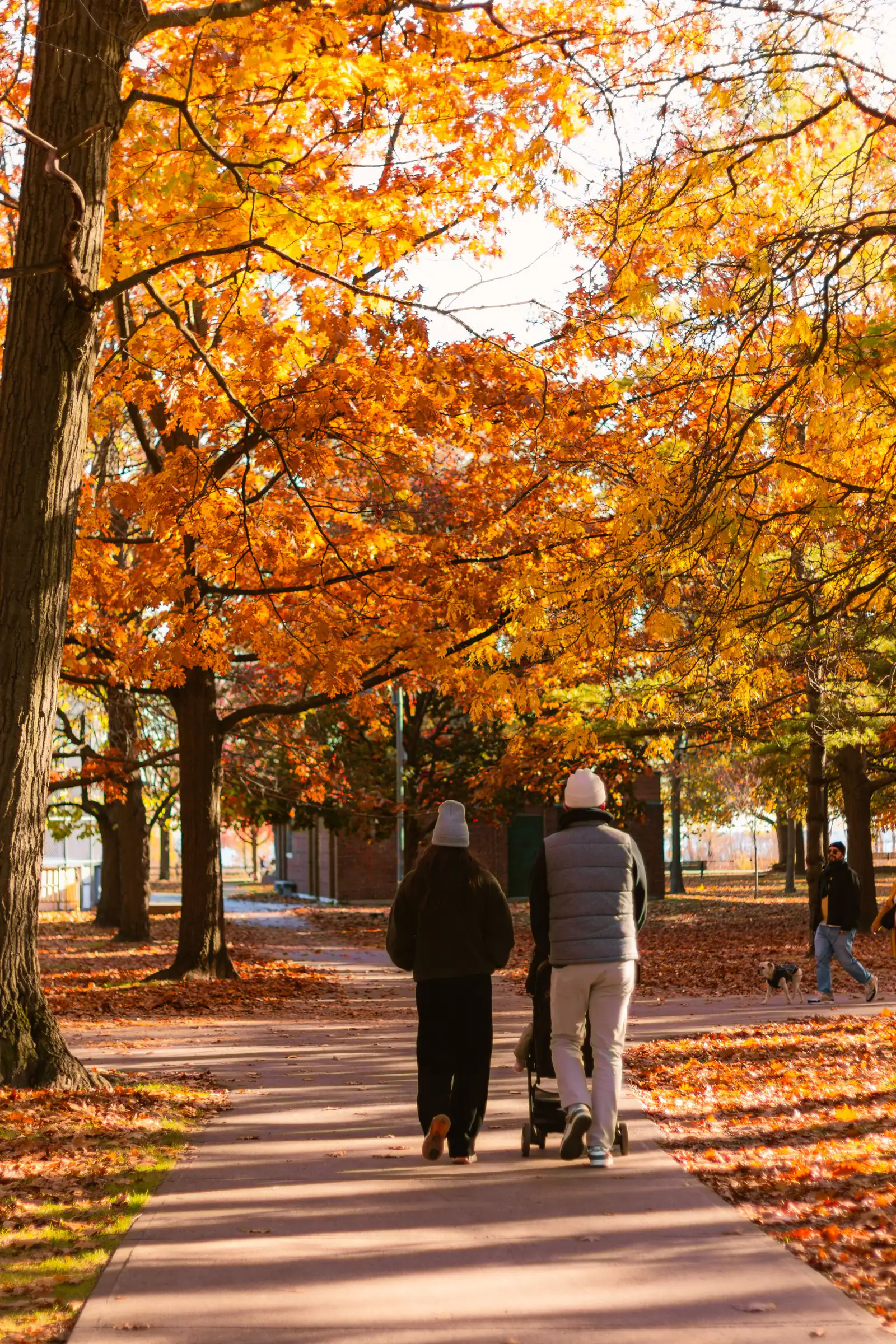
Green space is most valuable when it is part of everyday life rather than a special occasion. Some easy ways to build it in:
- Take one walk a week on a trail instead of a sidewalk.
- Choose a route to work or school that passes through a park.
- Eat lunch outside when the weather allows.
- Pick one green space and visit it in every season.
- Join a park clean-up, tree planting or stewardship group.
Respecting urban nature
Urban green spaces are shared by many people and a surprising amount of wildlife. A few habits keep them healthy:
- Stay on marked trails to protect plants and prevent erosion, especially in ravines and on slopes.
- Follow dog rules. Leash where required and pick up after your pet.
- Give wildlife space. Do not feed animals, including ducks, geese and squirrels; it changes their behaviour and can harm them.
- Pack it out. Take all garbage with you if bins are full or absent.
- Watch for seasonal hazards such as icy paths, flooding near rivers in spring and closures after storms.
Why it matters
Time in green space is widely associated with feeling calmer and more connected to the place you live. You do not need to go far to get those benefits. A twenty-minute walk under trees, a lunch break by a creek or a weekend morning in a ravine can change how a city feels.
The forest is often closer than you think. Sometimes it is just at the bottom of the street.
Spotted an error or something out of date? Request a correction. Read about our editorial standards.