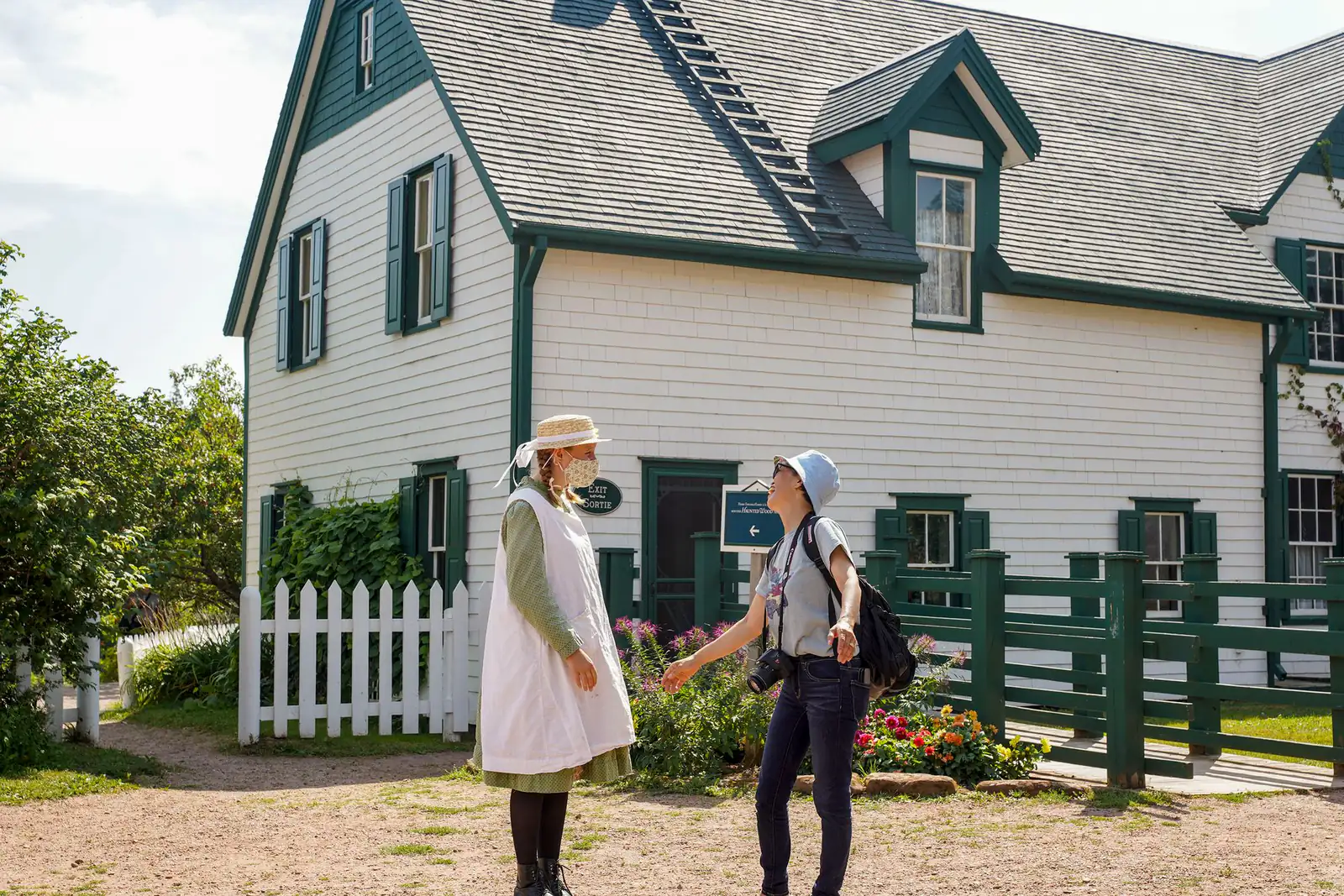
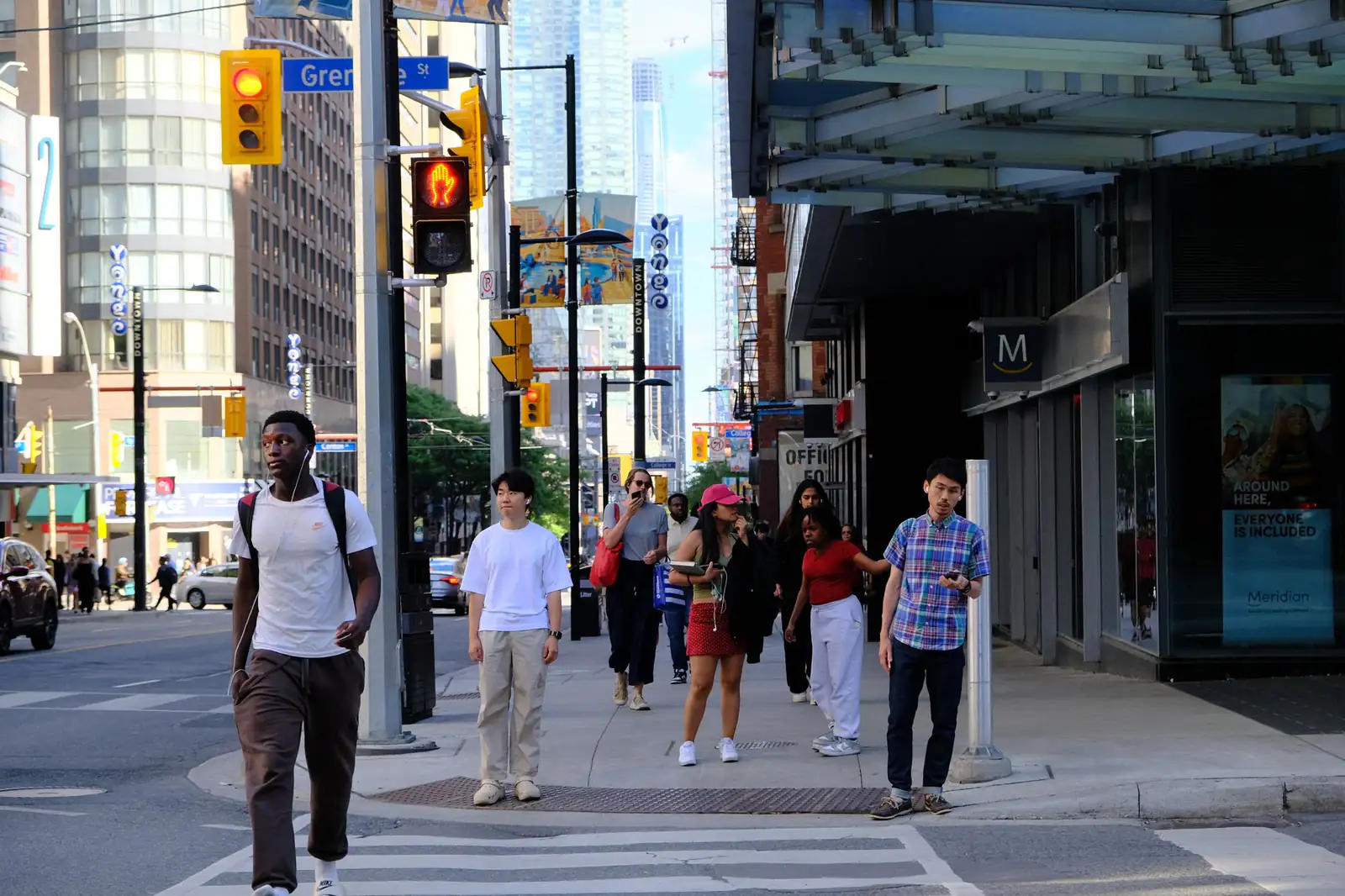
From the Pacific to the Atlantic —Everyday Canada, one community at a time
Life
Everyday Canada
Food and markets, neighbourhoods, culture, family routines and the rhythm of the seasons. Practical, local context for the ordinary days that make up life here.
Markets, cafés and corner stores: the everyday places that hold a community together.
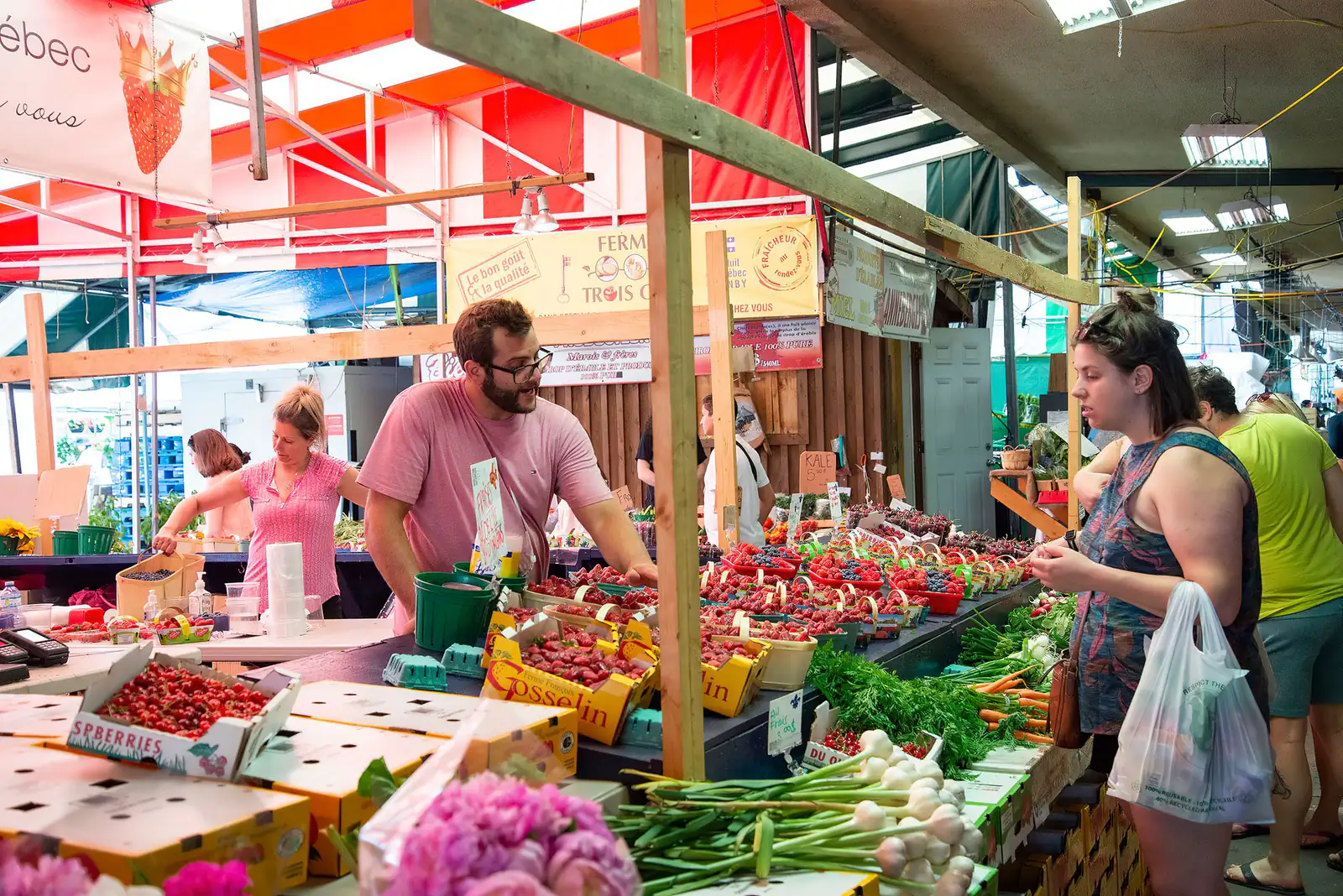
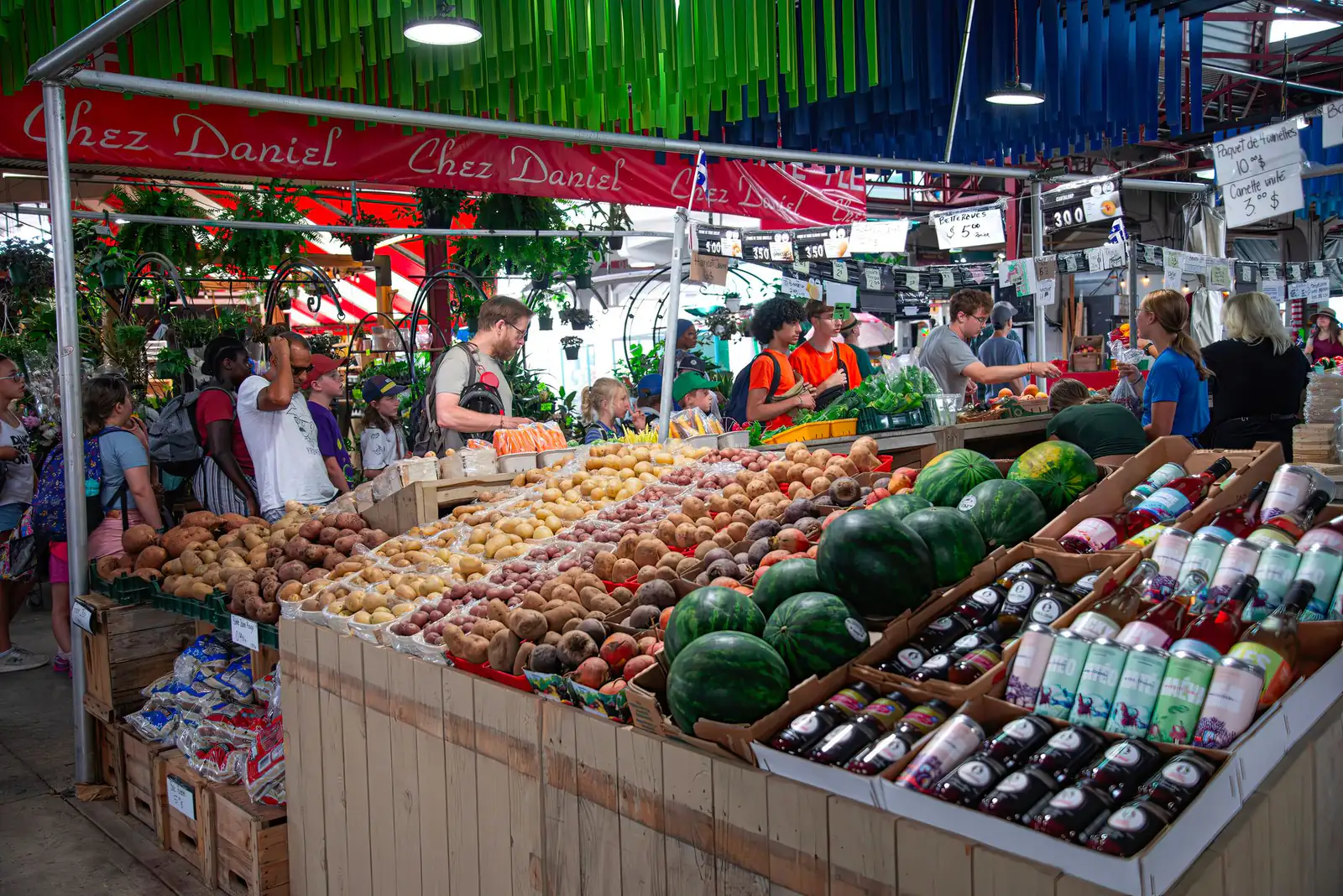
From long-standing public markets in Toronto and Montreal to seasonal farmers markets in small towns, community markets are a window into local life. Here is what to look for, how to shop well and why markets matter.
No plans, no pressure, no long drive. A few gentle ways to make Sunday feel like a day off again.
01
Food & Markets
Food is one of the most direct ways into a Canadian community. Public markets, farmers markets, family bakeries and neighbourhood restaurants reflect both regional harvests and the many cultures that make up the country.
Seasonality matters here. Spring brings rhubarb and asparagus, summer brings berries and corn, autumn brings apples, squash and harvest markets, and winter markets lean on baking, preserves and crafts.
Worth knowing
Many farmers markets run seasonally, roughly late spring to autumn
Bring reusable bags and a little cash for smaller vendors
Ask vendors where and how their food was grown or made
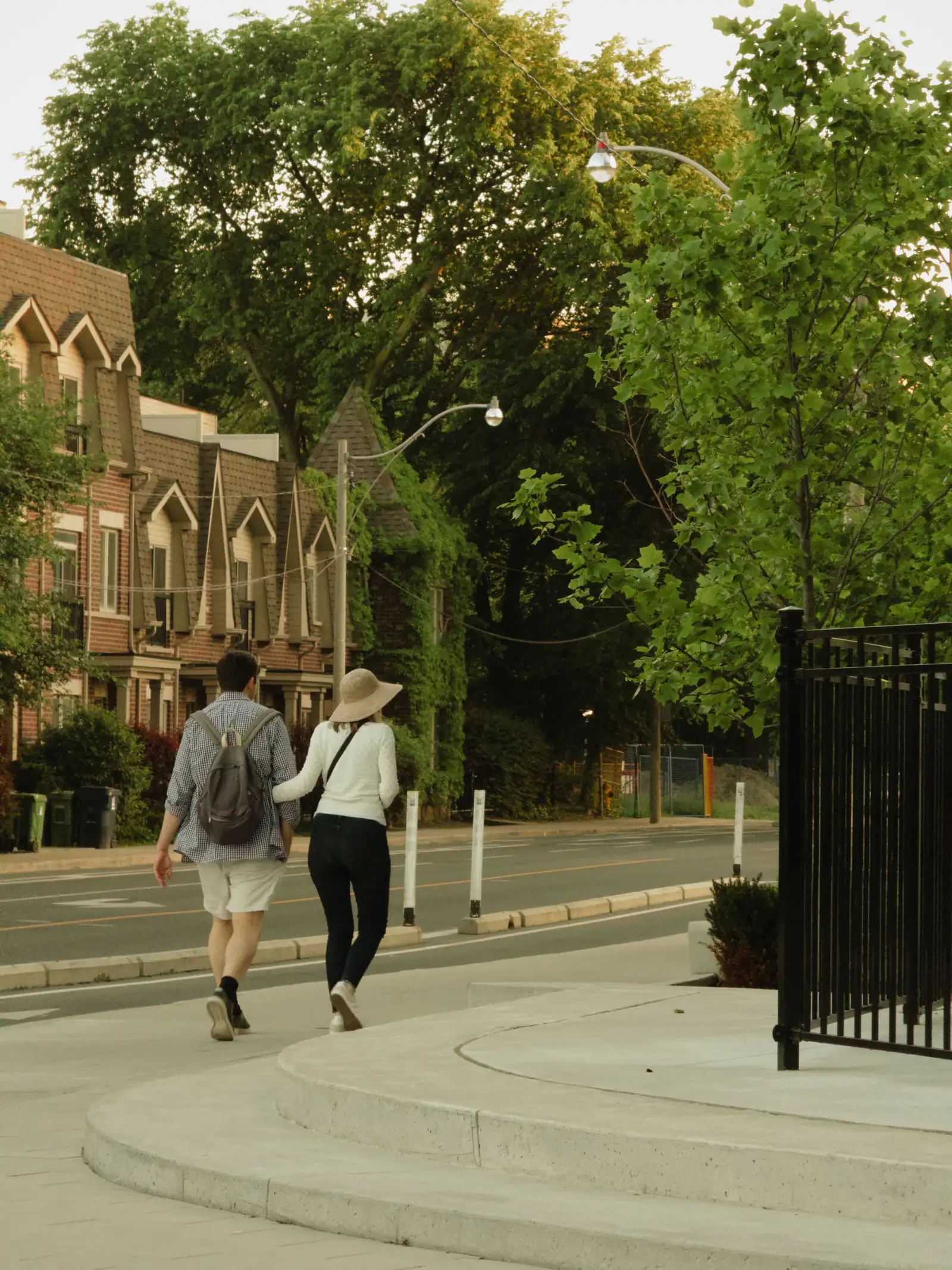
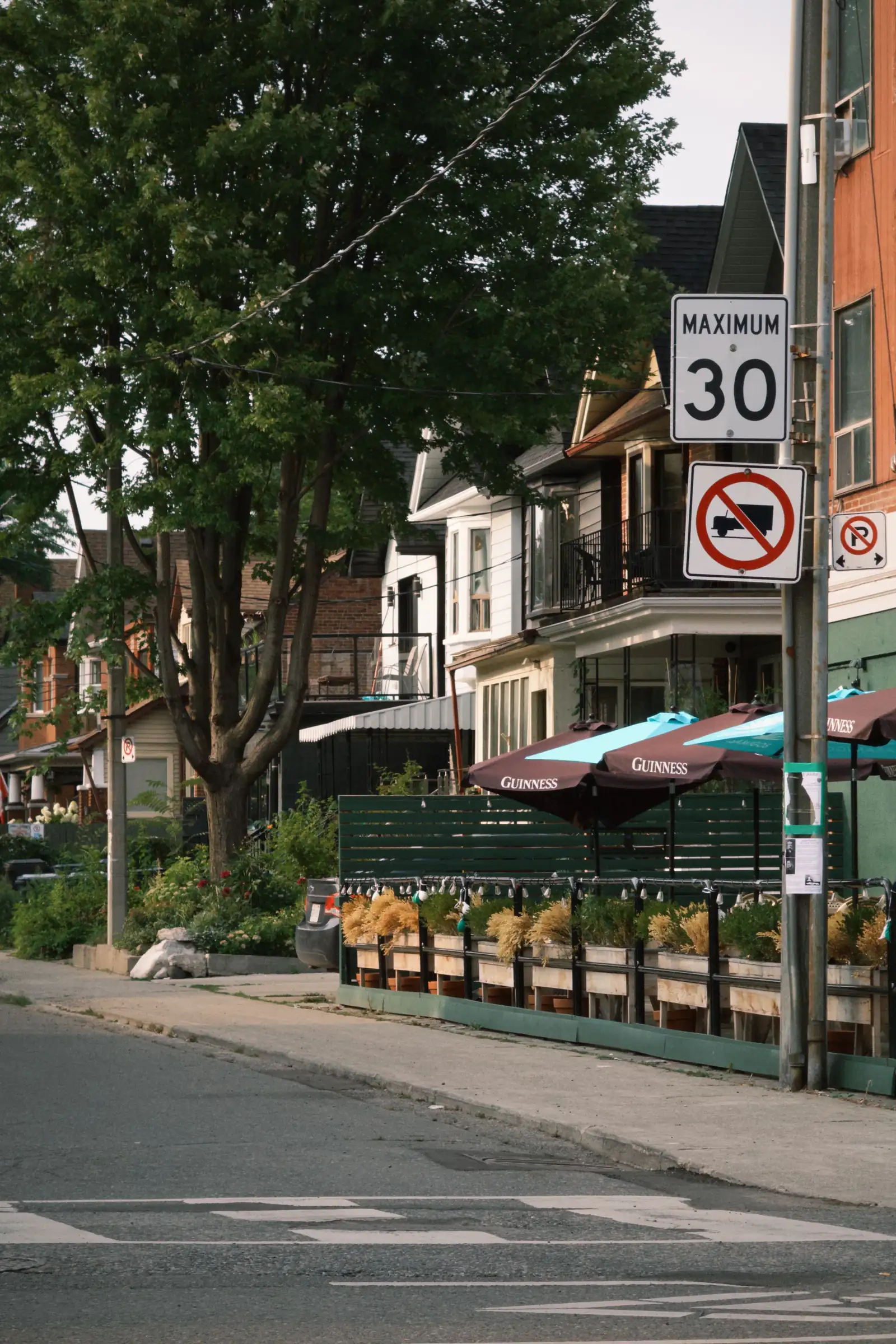
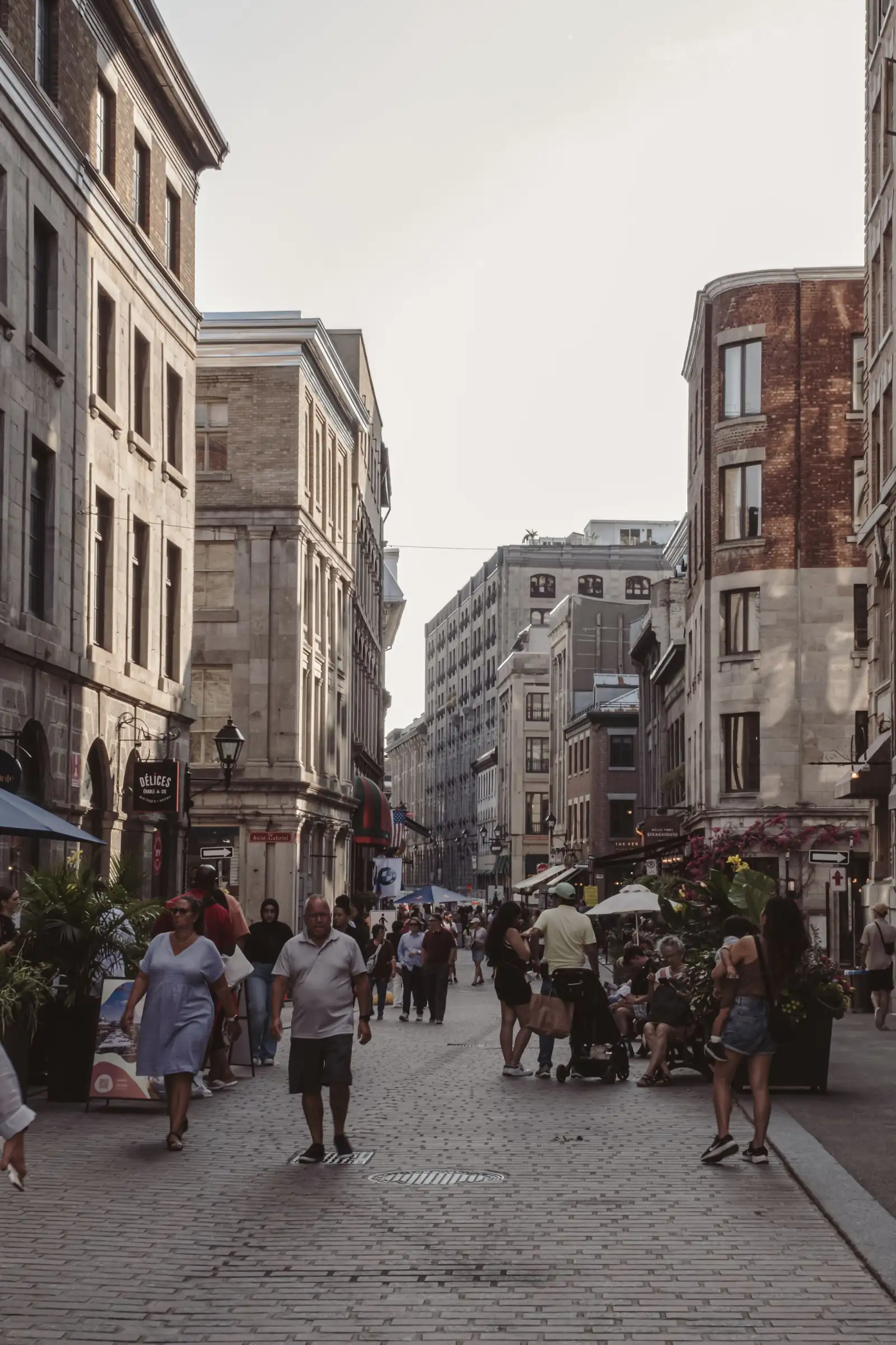
Canadian cities are best understood one neighbourhood at a time. Each has its own main street, its own parks, its own rhythm and often its own history of immigration, industry and change.
The best way to get to know a neighbourhood is on foot: walk its main street, find its park, read the community notice board and notice where people gather.
Worth knowing
Start on the local main street rather than the busiest downtown blocks
Visit at different times of day to see how a place changes
Look for heritage plaques, public art and local history resources
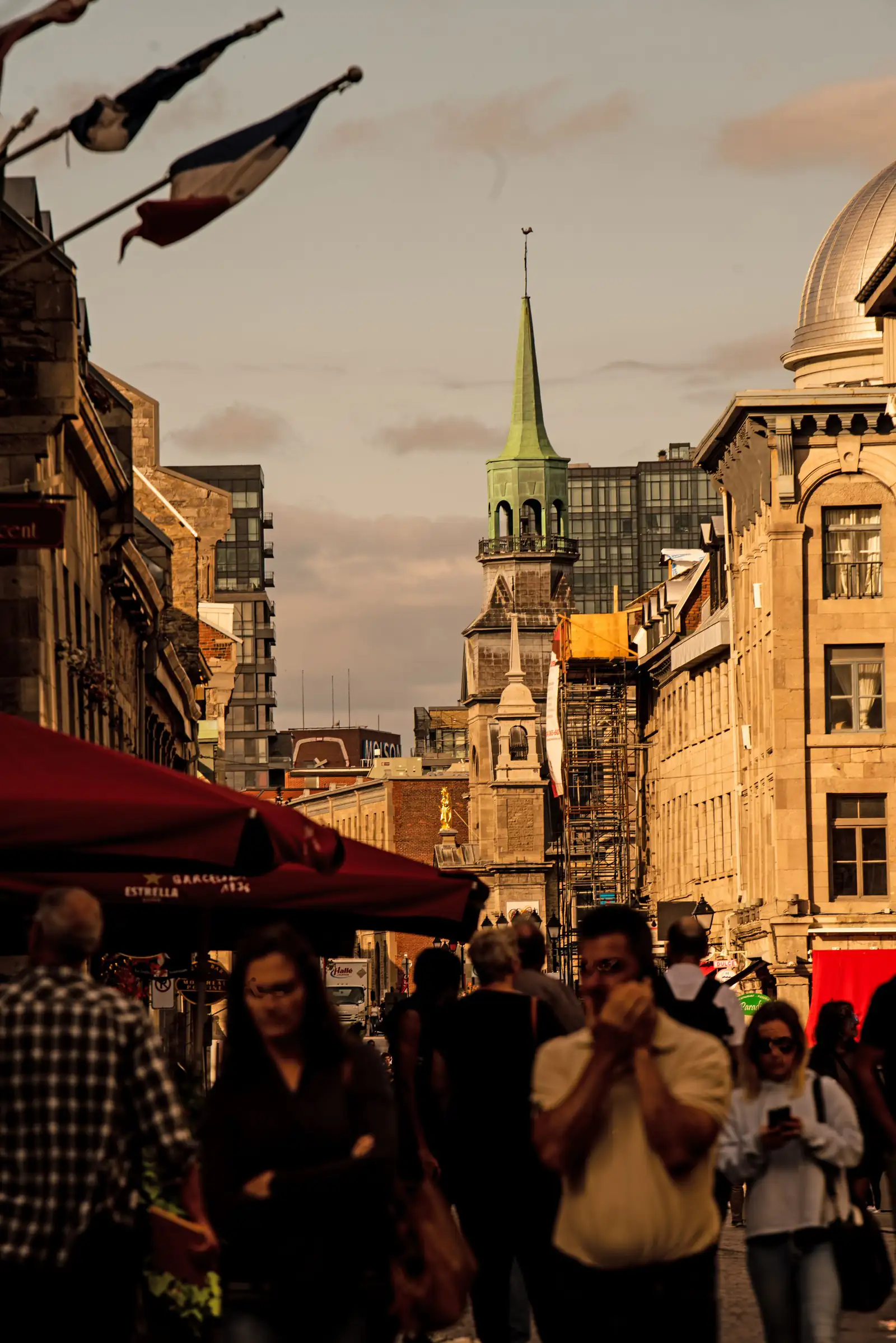
Culture in Canada happens as much in community halls, libraries, street festivals and small venues as it does in major institutions. It is shaped by Indigenous nations, by English and French traditions and by communities from every part of the world.
Learning about the Indigenous history of the places you live in or visit adds depth to any experience. Cultural centres, museums and Indigenous-led organizations are good places to begin.
Worth knowing
Check municipal and library event calendars for free cultural events
Many museums offer reduced-cost or free admission days; confirm directly
Support local and independent venues, artists and makers
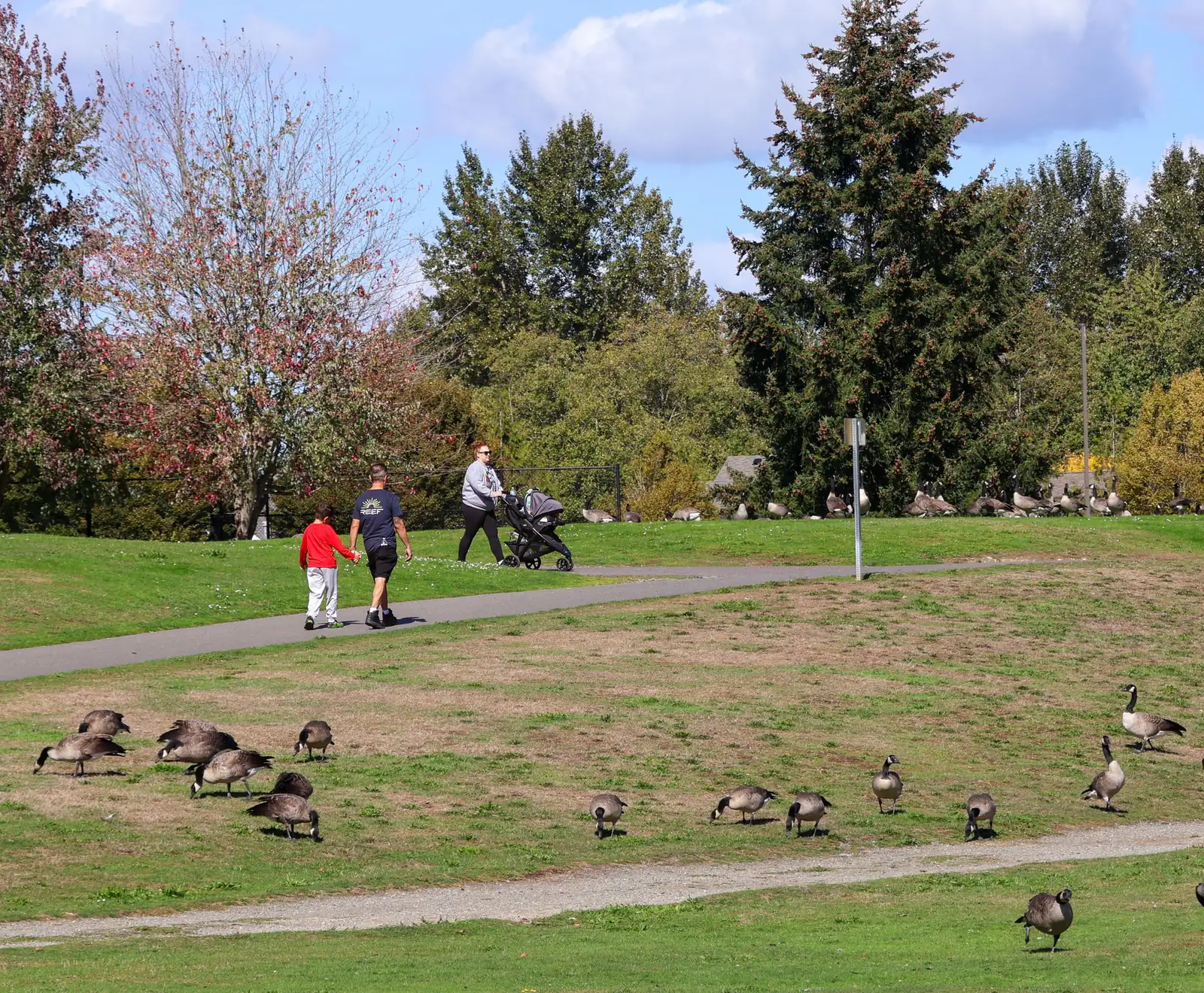
Family life in Canadian communities often revolves around shared public spaces: playgrounds, splash pads, outdoor rinks, libraries, community centres and recreation programs.
Many municipalities publish seasonal recreation guides listing swimming, skating, sports and arts programs for children and families. Registration for popular programs can fill quickly.
Worth knowing
Public libraries offer free story times and children’s programming in many communities
Splash pads and outdoor rinks are seasonal; check municipal schedules
Many larger parks have accessible washrooms and stroller-friendly paths
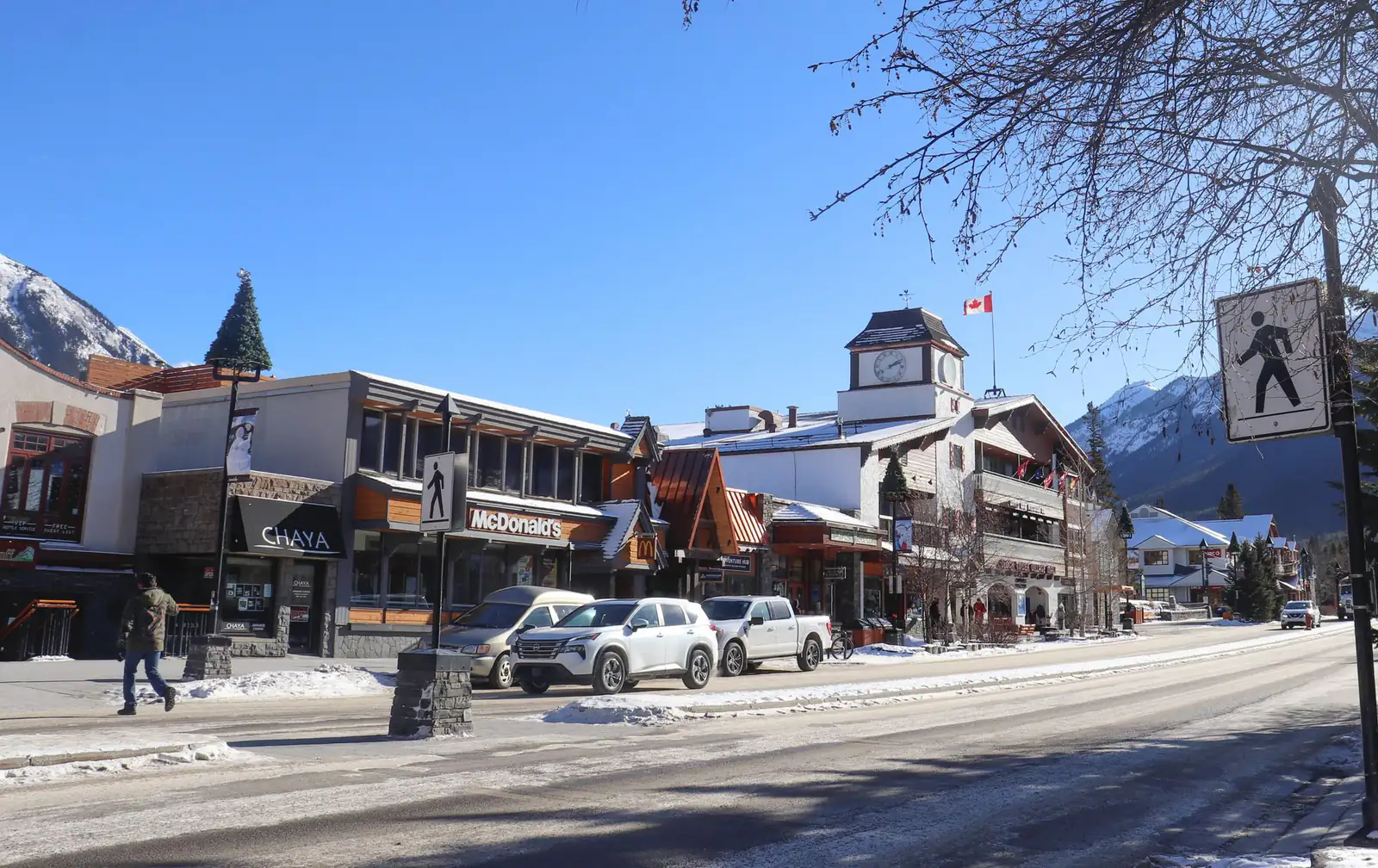
Few things shape everyday Canadian life as much as the seasons. They change what people wear, where they gather, what they eat and how they spend their weekends.
Living well with the seasons is less about enduring them and more about embracing what each one offers: winter festivals, spring thaw, long summer evenings and autumn colour.
Worth knowing
Dress for actual conditions; weather can change quickly
Seasonal hours apply to many parks, markets, ferries and attractions
Knowing your local services makes everyday life easier, whether you have just moved or have lived somewhere for years. Public libraries, community centres, recreation facilities and municipal websites are good starting points.
In many parts of Canada, you can dial 211 to be connected with information about community, social and government services. Many cities also run a 311 line for non-emergency municipal questions such as waste collection or road issues.
Worth knowing
For emergencies, always call 911
Check your municipality’s website for waste, recycling and collection schedules
Libraries often provide free internet access, printing and community information
Canadian cities are increasingly built around walking, cycling and transit. Streetcars, light rail, buses, ferries and bike lanes are part of daily routines for millions of people.
City life also means shared space: sidewalks, patios, parks and plazas used by people of every age and background. A little courtesy goes a long way.
Worth knowing
Check your transit agency for current fares, routes and service changes
Many cities offer bike share and car share programs
Plazas and pedestrian streets often host free seasonal events
Our Life section offers general, editorial information about everyday experiences in Canadian communities. It is not financial, legal, immigration or medical advice. For decisions in those areas, please consult a qualified professional or the relevant official body.
The Ledger, by email
A little Canada in your inbox.
Occasional community guides, weekend ideas and new stories from across Canada.
Your privacy, your choice
We use essential storage to run this site. With your permission, we may also use optional cookies for preferences, analytics and advertising measurement. Cookie Policy