Understanding Canada's Seasonal Rhythm
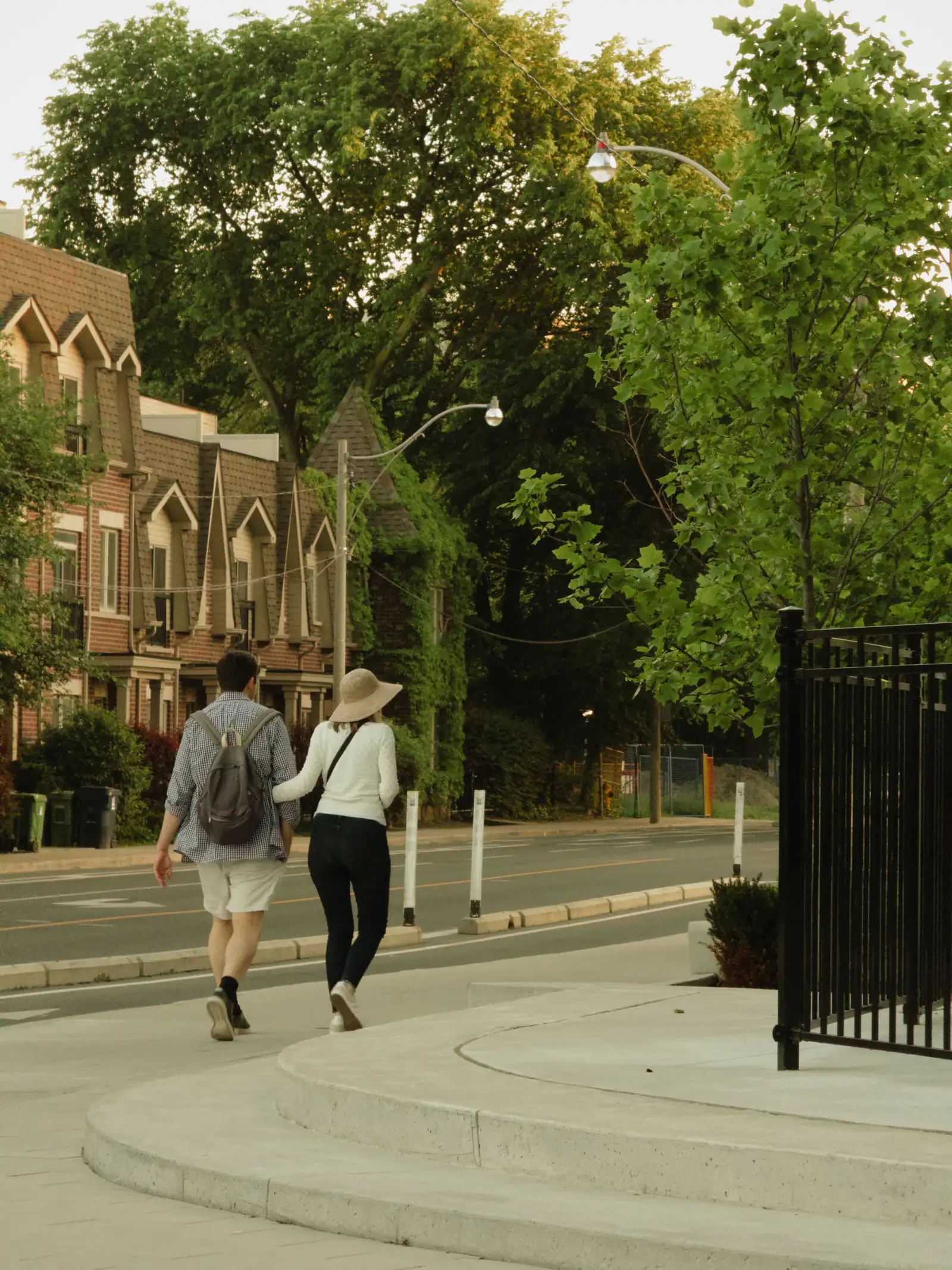
In Canada, the calendar is not just dates. It is skates by the door, patios in May and the first frost on the windshield.

In much of Canada, the seasons are not background. They decide what you wear, where you go after work, what is on the dinner table and how your weekends feel. Understanding that rhythm is one of the best ways to understand Canadian everyday life. Of course, the country is enormous and climates vary widely, from mild coastal winters in parts of British Columbia to long, cold ones on the Prairies and in the North. Think of this as a general shape rather than a rule.
Winter: making the cold social
Canadians do not hibernate so much as adapt. Outdoor rinks appear in parks and schoolyards. Skating trails form on rivers and canals in some cities when conditions allow, including Ottawa's Rideau Canal and Winnipeg's river trail at The Forks. Winter festivals such as Quebec City's Carnaval and Ottawa's Winterlude turn the season into something to celebrate.
Everyday winter life is built around layers, boots by the door and a good hot drink. Many communities also have indoor gathering places, such as libraries, community centres and arenas, that become social hubs in the colder months.
Spring: the thaw and the sugar shack
Spring arrives unevenly, which is why Canadians get so excited about it. In Quebec and parts of Ontario and the Maritimes, late winter and early spring is maple season, when sap runs and sugar shacks serve hearty meals with maple syrup. Patios open at the first hint of warmth, sometimes optimistically early. Gardens get planned, bikes come out of storage and trails go through their muddy phase.
Summer: long days and everything outside
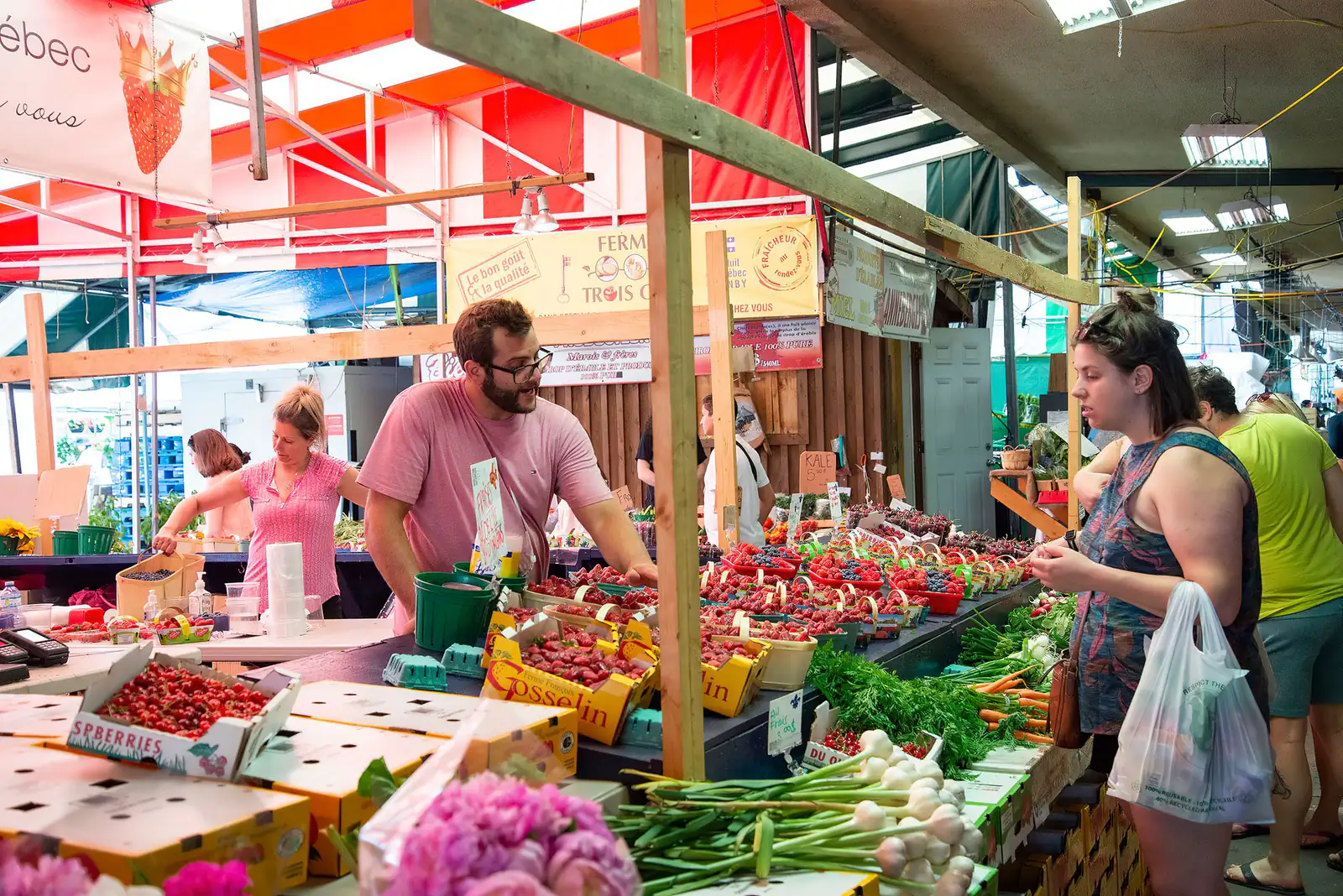
Summer is short in many parts of the country, so people make the most of it. Long evenings fill parks, beaches and patios. Farmers markets are at their busiest. Lakes, cottages and campgrounds draw people out of the city, and festivals of every kind fill weekend calendars: music, food, culture, film and community celebrations. Canada Day on July 1 brings gatherings to parks and public spaces across the country.
Summer also brings practical realities: heat warnings, wildfire smoke in some regions and seasons, and busy roads on long weekends. Checking local advisories is part of summer life.
Autumn: harvest and colour
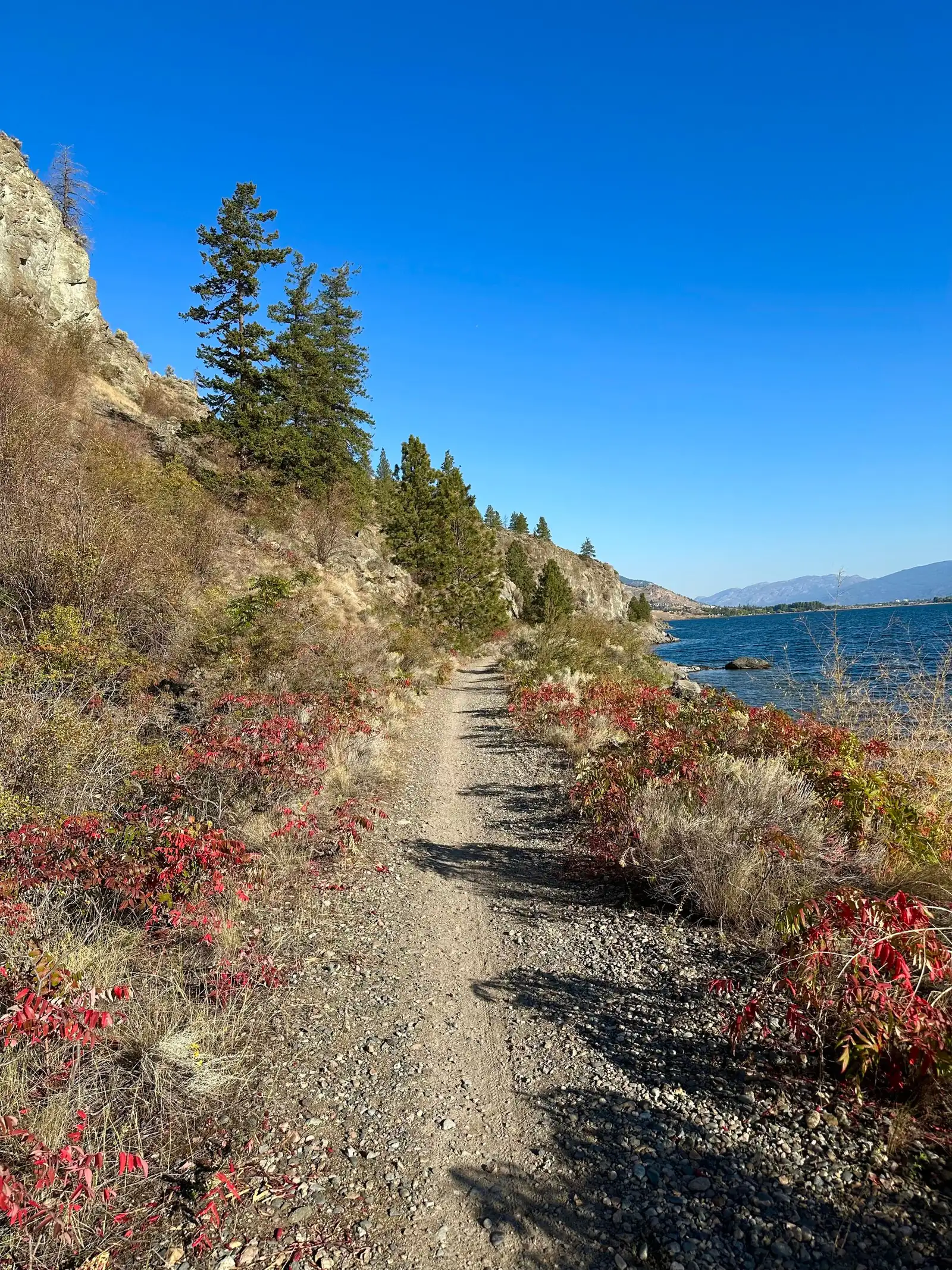
For many Canadians, autumn is the favourite season. Maple, birch and aspen trees turn red, orange and gold. Harvest markets overflow with apples, squash and root vegetables. Thanksgiving falls on the second Monday of October, earlier than in the United States, and is often celebrated with a family meal. Autumn walks, apple picking and drives through changing forests become weekend traditions.
Long weekends shape the year
Statutory holidays and long weekends are part of the Canadian rhythm, though they vary by province and territory. Victoria Day in May is often treated as the unofficial start of summer, and Labour Day in September as the end. Some provinces have their own holidays, such as Family Day in February in several provinces. Always check provincial holiday schedules, because businesses, services and transit may run on reduced hours.
Living with the seasons
- Check seasonal hours for parks, markets, ferries and attractions; they change through the year.
- Dress for the actual conditions, not the calendar. Weather can shift fast.
- Embrace the season you are in. Every one has something only it can offer.
Canada is not one place experienced in one way. It is a country that changes all year, and that is a big part of its charm.
Spotted an error or something out of date? Request a correction. Read about our editorial standards.