A Simple Guide to Exploring Your Own Neighbourhood
You do not need a plane ticket to discover somewhere new. Start with the ten blocks around your front door.
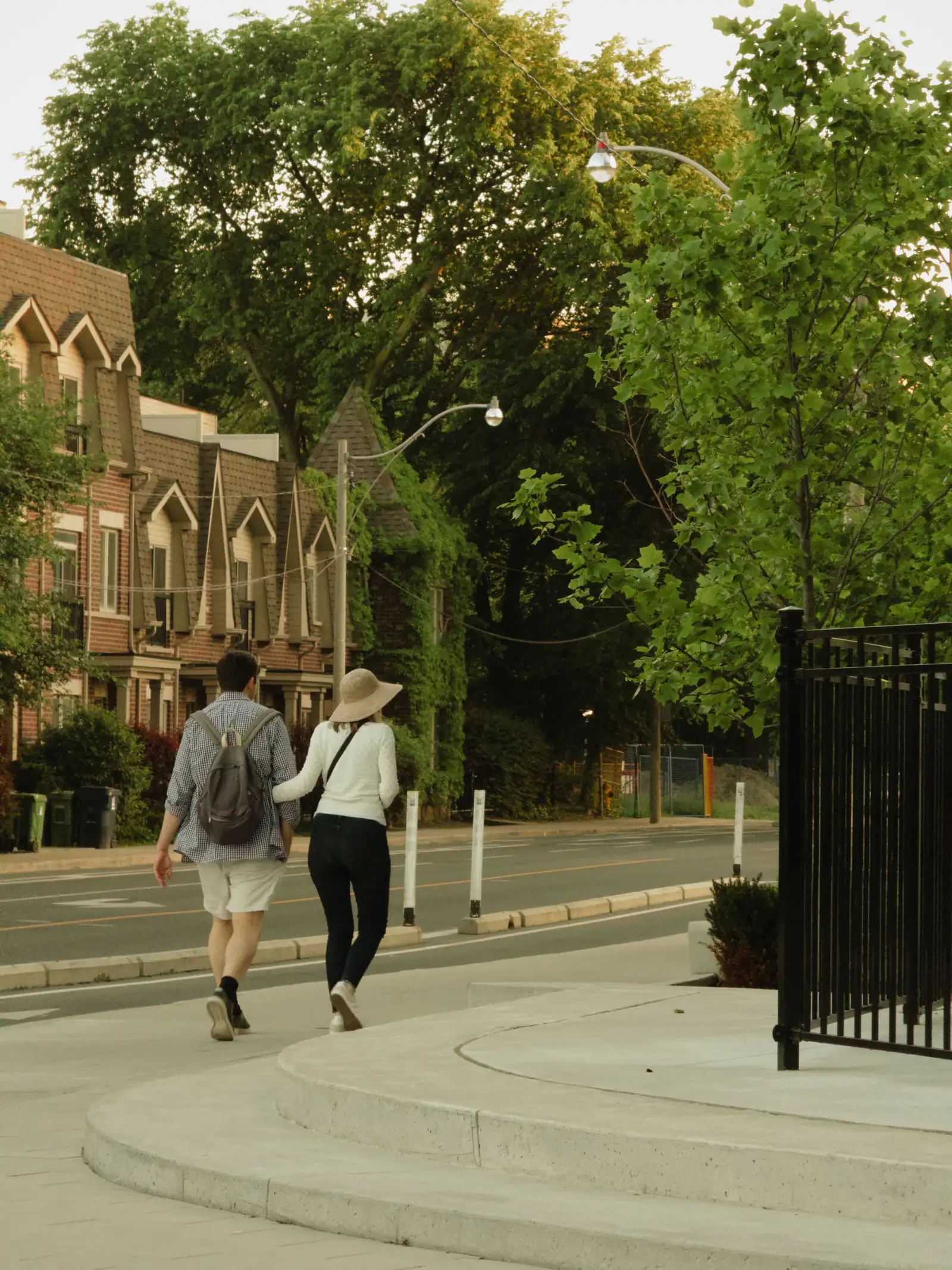
Most people know their neighbourhood the way they know a commute: in straight lines. Home to the bus stop, home to the grocery store, home to the school. It is efficient, but it leaves most of the area unseen. Exploring your own neighbourhood is one of the easiest and most rewarding ways to feel more connected to where you live, and it costs almost nothing.
1. Walk without a destination
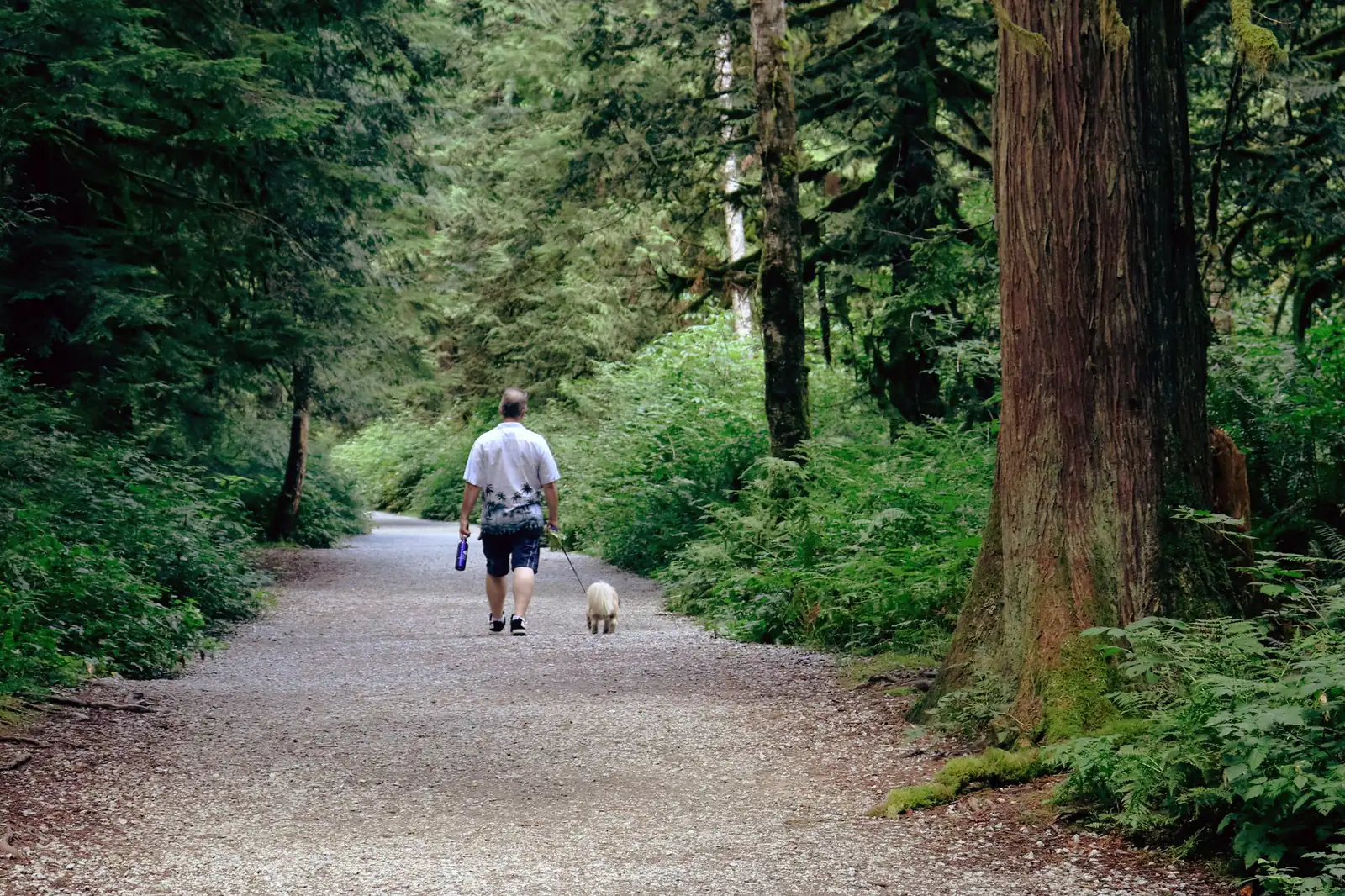
Pick a free hour, leave your usual route, and turn down streets you have never walked. Go left where you would normally go right. Look up at rooflines, porches and gardens. Notice which streets have trees, which have benches, and which feel busy or quiet at different times of day.
If you want a bit of structure, try a simple loop: walk to the edge of what you consider your neighbourhood in one direction, then come back a different way. You will be surprised how often a five-minute detour reveals a park, a mural or a café you did not know existed.
2. Read the notice boards
Community notice boards in libraries, cafés, grocery stores and community centres are a direct line to local life. They advertise choirs, language exchanges, garage sales, sports leagues, volunteer drives and workshops. Many municipalities and libraries also publish event listings online. Spend five minutes reading a board and you will learn more about a neighbourhood than from any map.
3. Find your public spaces
Make a list of the places in your area that belong to everyone: parks, playgrounds, public squares, libraries, community centres, recreation facilities, outdoor rinks and trails. Visit one you have never been inside. Public libraries in particular have evolved far beyond books; many offer events, maker spaces, study rooms and programs for every age.
4. Learn a little history
Every Canadian neighbourhood has layers. Street names, heritage plaques, older buildings and public art often point to stories about who lived there before. Local historical societies, archives and library collections are good places to learn more. It is also worth learning about the Indigenous history of the land where you live; many municipalities and organizations publish resources and land acknowledgements that can be a starting point for further reading.
5. Shop small, at least once
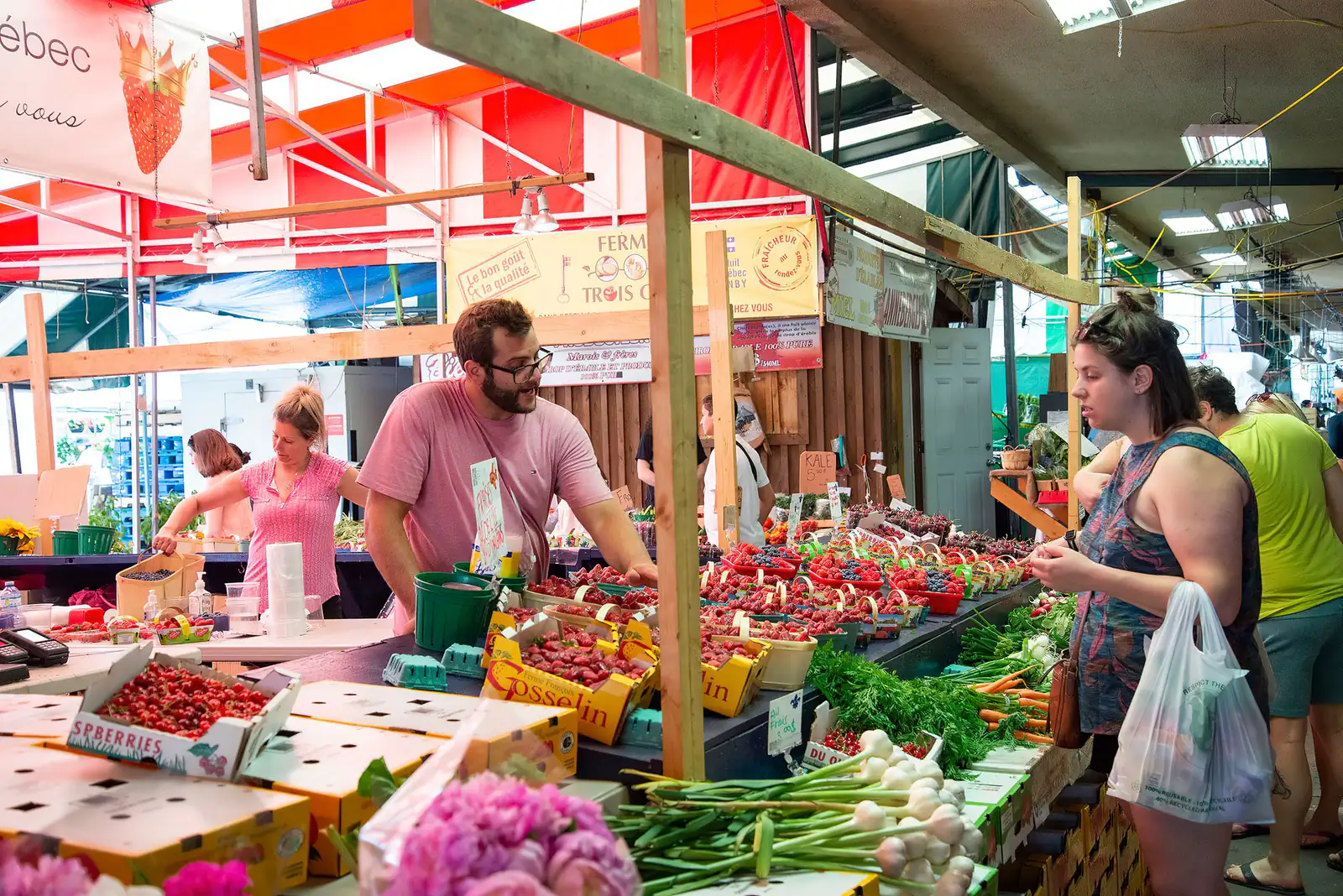
Independent businesses give a neighbourhood much of its personality. Try the hardware store, the bakery, the bookshop or the family restaurant you have walked past for years. You are not just buying something; you are learning who runs the places on your street and why they are there.
6. Go at a different time
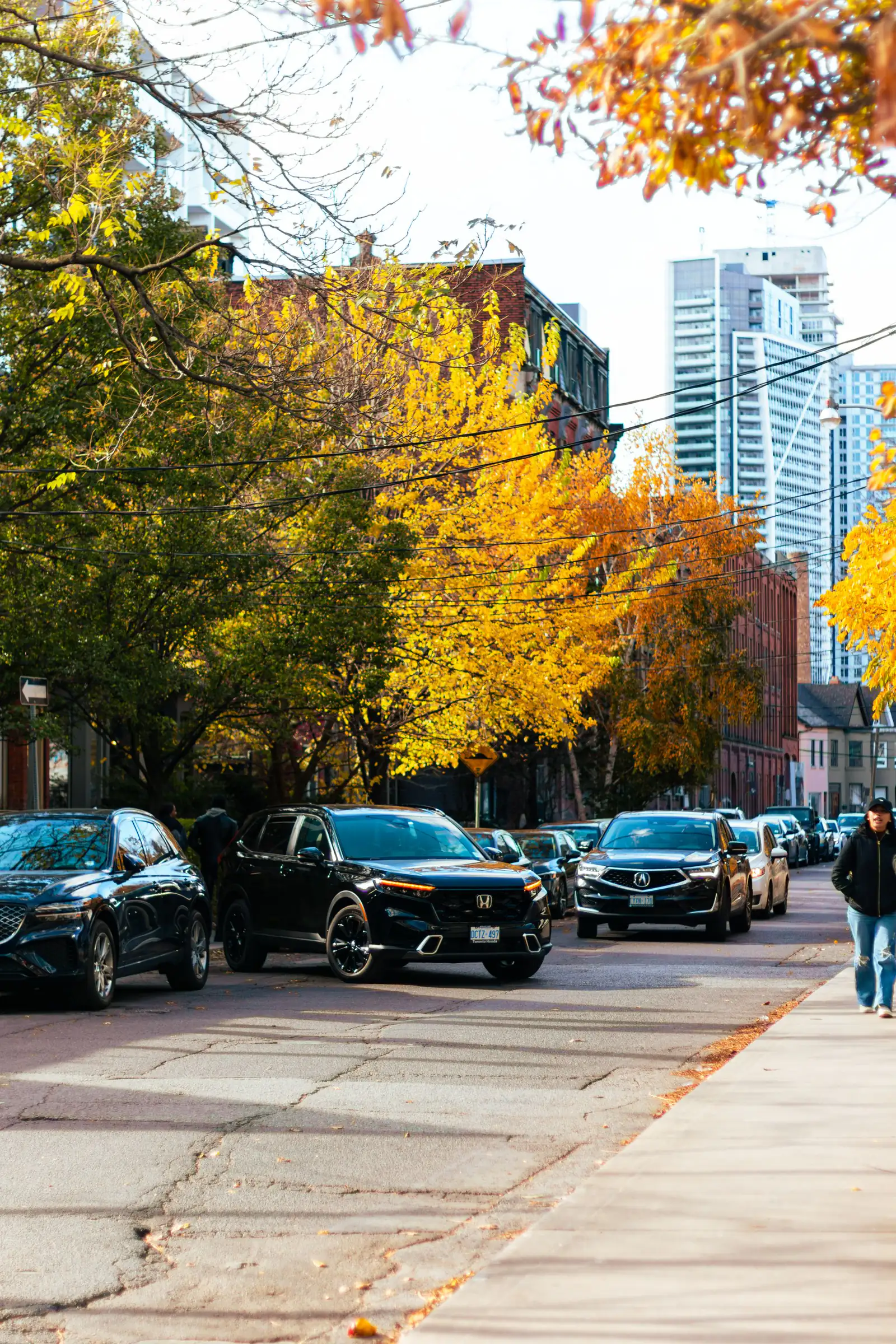
A neighbourhood at 7 a.m. on a Sunday feels completely different from the same streets on a Friday evening. Try exploring early in the morning, after dinner, or on a snowy day. Seasonal changes matter too: the same park can be a picnic spot in July and a tobogganing hill in January.
7. Say hello
This is the hardest step for many people and the most valuable. A short conversation with a neighbour, a shop owner or someone walking a dog is how a place stops being a location and starts being a community. You do not need to make a friend on every walk; a nod and a hello is enough to start.
A simple weekend challenge
- Walk three streets you have never walked.
- Visit one public space you have never been inside.
- Read one community notice board and note one event.
- Buy one thing from an independent local business.
- Write down one thing you did not know about your area.
Exploring close to home is not a lesser kind of discovery. It is the kind you get to keep.
Spotted an error or something out of date? Request a correction. Read about our editorial standards.