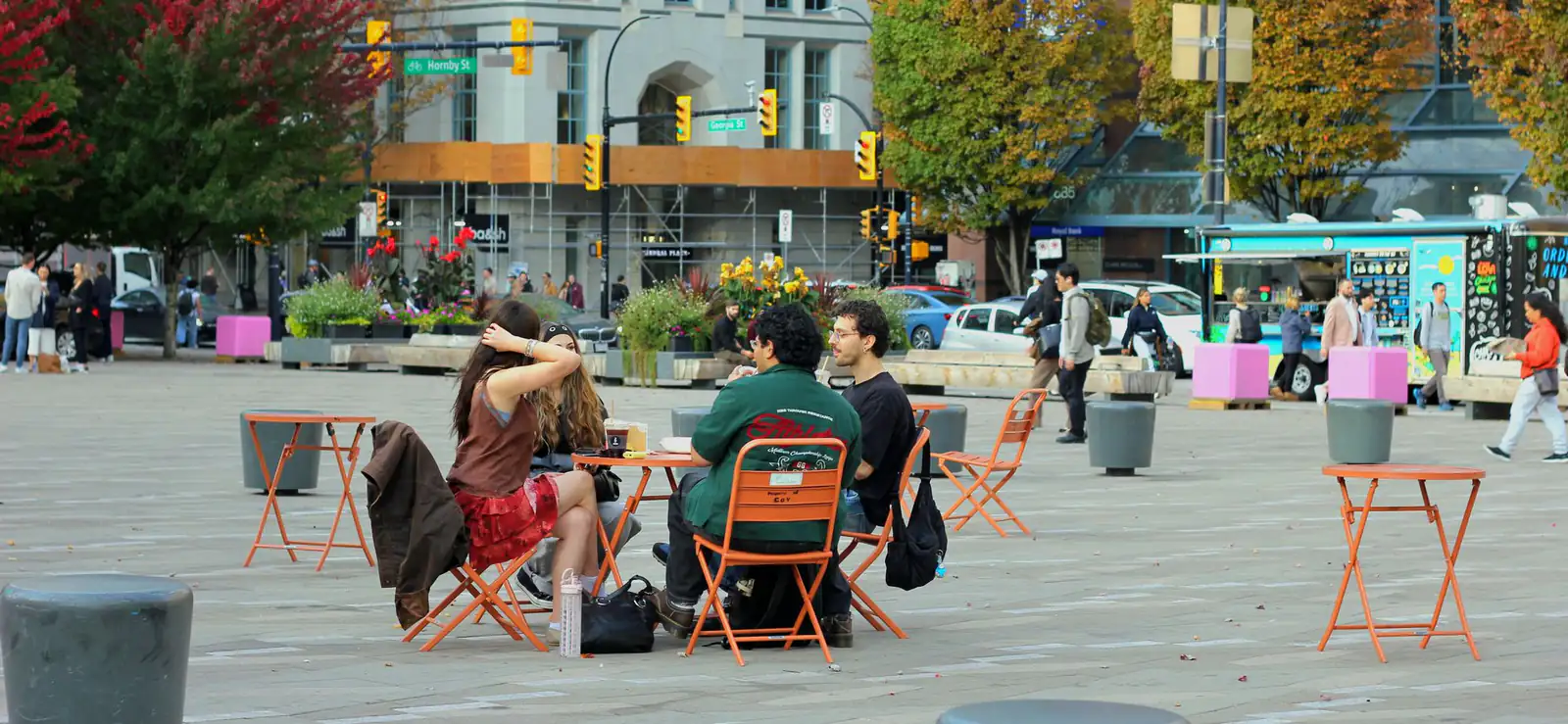
Why Canada's Waterfronts Are Everyday Gathering Places
From Halifax to Vancouver, the edges of lakes, rivers and harbours are where Canadian cities go to slow down together.
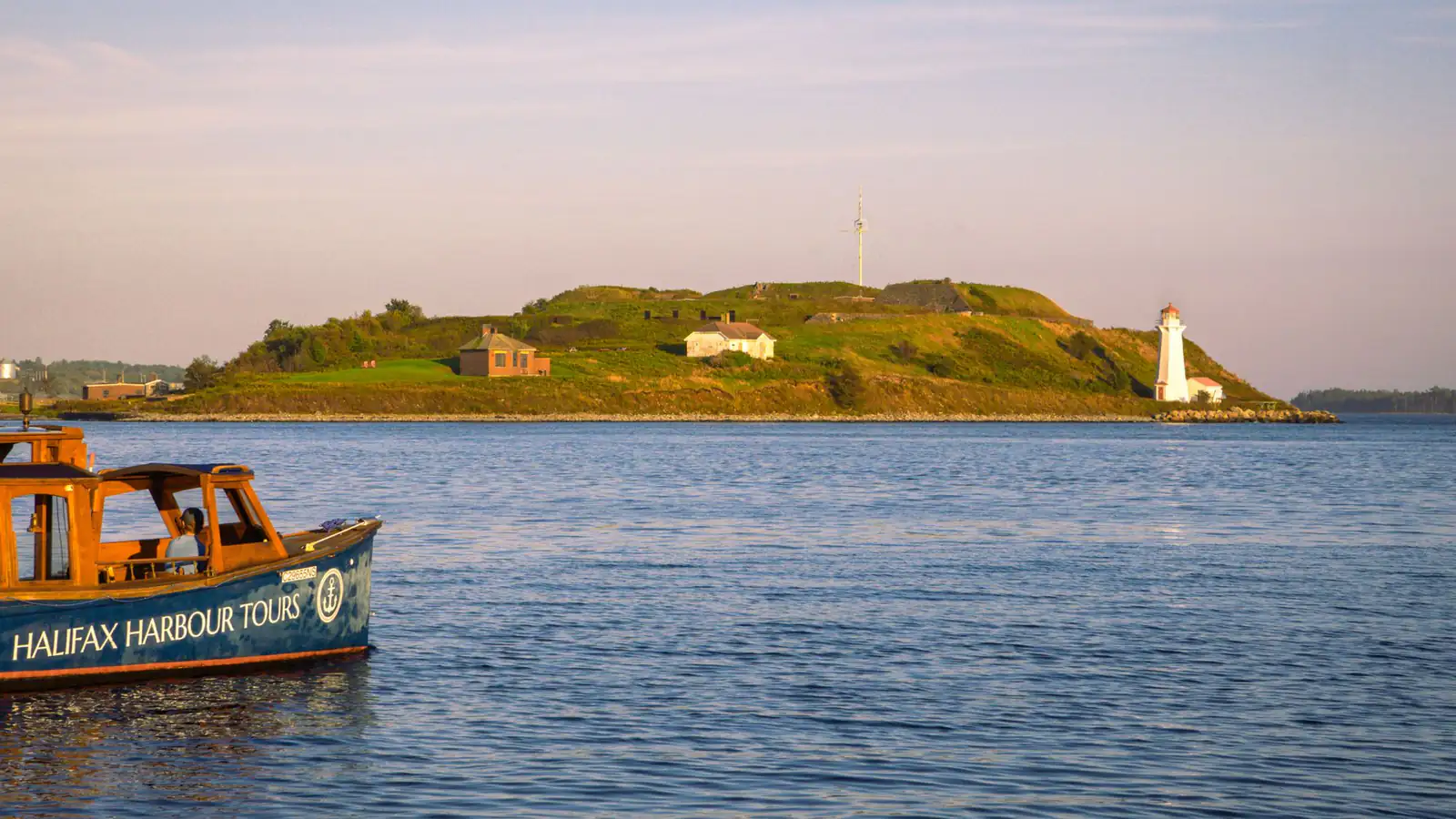
Most Canadian cities were built on water. Harbours brought trade, rivers carried people inland, and lakes gave towns a reason to exist. For much of the twentieth century, many of those shorelines were industrial: rail yards, warehouses, docks and highways. Over recent decades, a lot of that land has been reclaimed for public use, and the result is one of the quiet success stories of Canadian city life.
Today, the waterfront is often where a city is at its most relaxed. It is where people go to walk after dinner, meet a friend without spending money, or simply sit and look at something bigger than their to-do list.
A shared space that belongs to no one in particular
A good waterfront is public in the fullest sense. You do not need a ticket, a reservation or a reason to be there. That openness is what makes it a gathering place rather than an attraction. On the same stretch of boardwalk you might see commuters, teenagers, people fishing, retirees on benches and families with ice cream, all sharing the same view.
Halifax's harbourfront boardwalk is a good example. It links ferry terminals, small businesses, public seating and open space along the water, and it is used just as much by people going about their week as by visitors. The ferry across the harbour to Dartmouth is part of the city's public transit, which says a lot about how water and daily life are woven together there.
What makes a waterfront work
Not every shoreline becomes a beloved public space. The ones that do tend to share a few qualities:
- Continuous access. People can walk or ride along the water for a meaningful distance without being pushed back to a road.
- Connection to neighbourhoods. The waterfront is easy to reach from where people live and work, not cut off by highways or fences.
- Places to stop. Benches, steps, lawns and piers give people permission to linger.
- A mix of uses. A little commerce, a little nature, some programming and plenty of unprogrammed space.
- Year-round life. In a Canadian climate, the best waterfronts are designed for winter walks as well as summer evenings.
Lakes, rivers and harbours, each with a rhythm
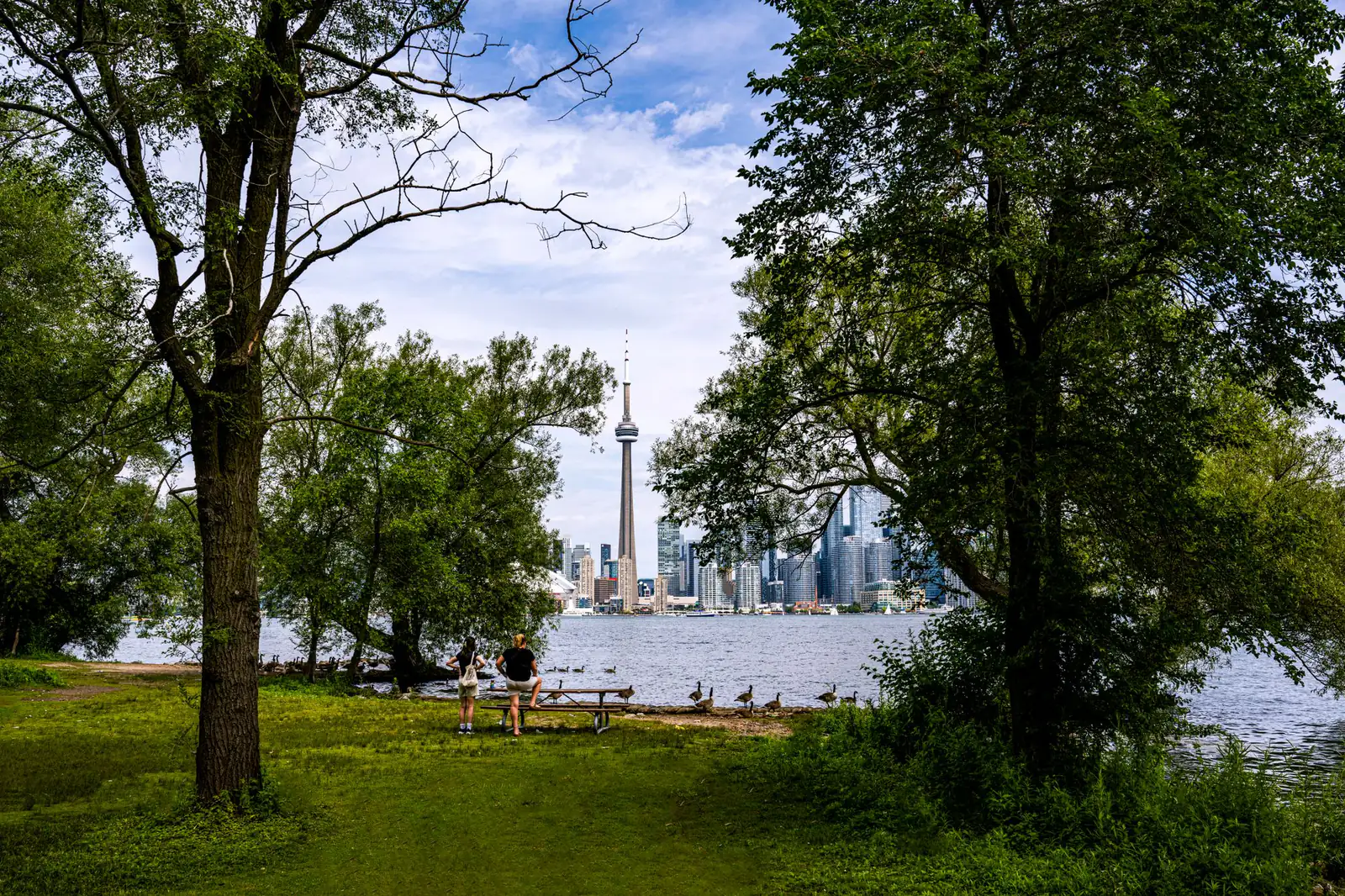
Every city's relationship with its water is different. In Toronto, the lakeshore and the Toronto Islands give residents a sense of open horizon right next to downtown; the short ferry trip to the islands feels like a small holiday. In Winnipeg, The Forks sits where the Red and Assiniboine rivers meet, a place people have gathered for a very long time, and in winter the frozen rivers can become a skating trail when conditions allow.
In Vancouver, the seawall makes the shoreline a daily route rather than a destination. In Kelowna, the Okanagan Lake waterfront turns summer evenings into a city-wide stroll. In Quebec City, the river below the old town shapes views, light and the feel of every walk.
Waterfronts in the off-season
It is easy to love a waterfront in July. What makes them genuinely part of everyday life is that people keep using them in November and February. A brisk walk along a grey harbour, a coffee on a bench in the cold sun, a winter festival on a frozen river: these are just as much a part of the Canadian waterfront as summer crowds.
If you visit a waterfront in the colder months, dress for wind, which is almost always stronger by the water, and check whether seasonal facilities such as washrooms, ferries or rental stands are operating.
How to enjoy a waterfront like a local
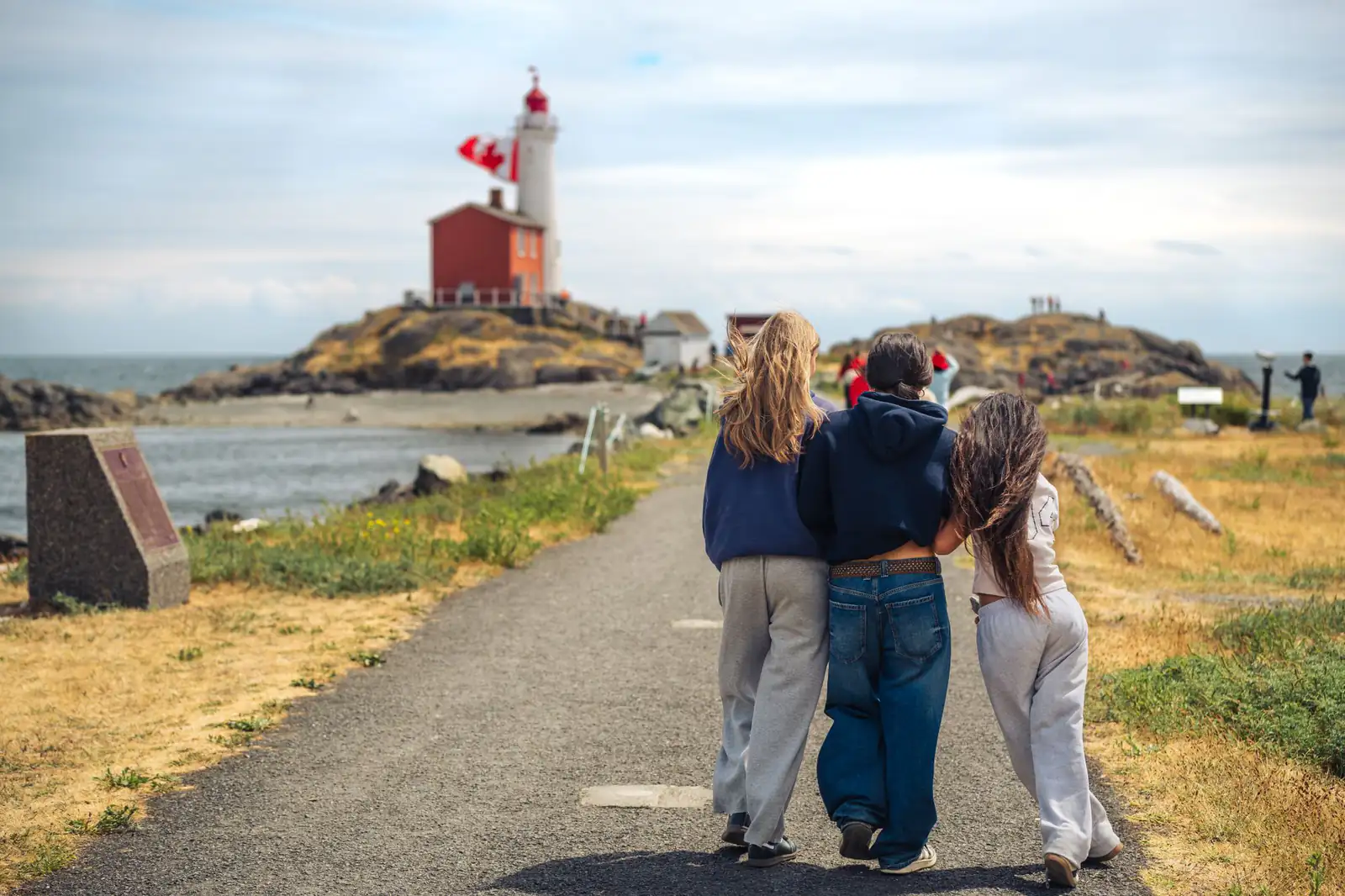
- Go early in the morning or around sunset, when locals are out and the light is best.
- Walk one stretch slowly rather than trying to cover the whole thing.
- Bring something to eat from a nearby market or bakery and find a bench.
- Respect shared paths: keep right, watch for cyclists and keep dogs leashed where required.
- Check posted signage about swimming, water quality and ice conditions before going near or onto the water.
Waterfronts remind us that some of the best things in a city are free and open to everyone. That is exactly why so many Canadians keep coming back to them.
Spotted an error or something out of date? Request a correction. Read about our editorial standards.