What Makes a Great Neighbourhood Park?
It is rarely the biggest park in the city. It is the one that is close, comfortable and used by everyone.
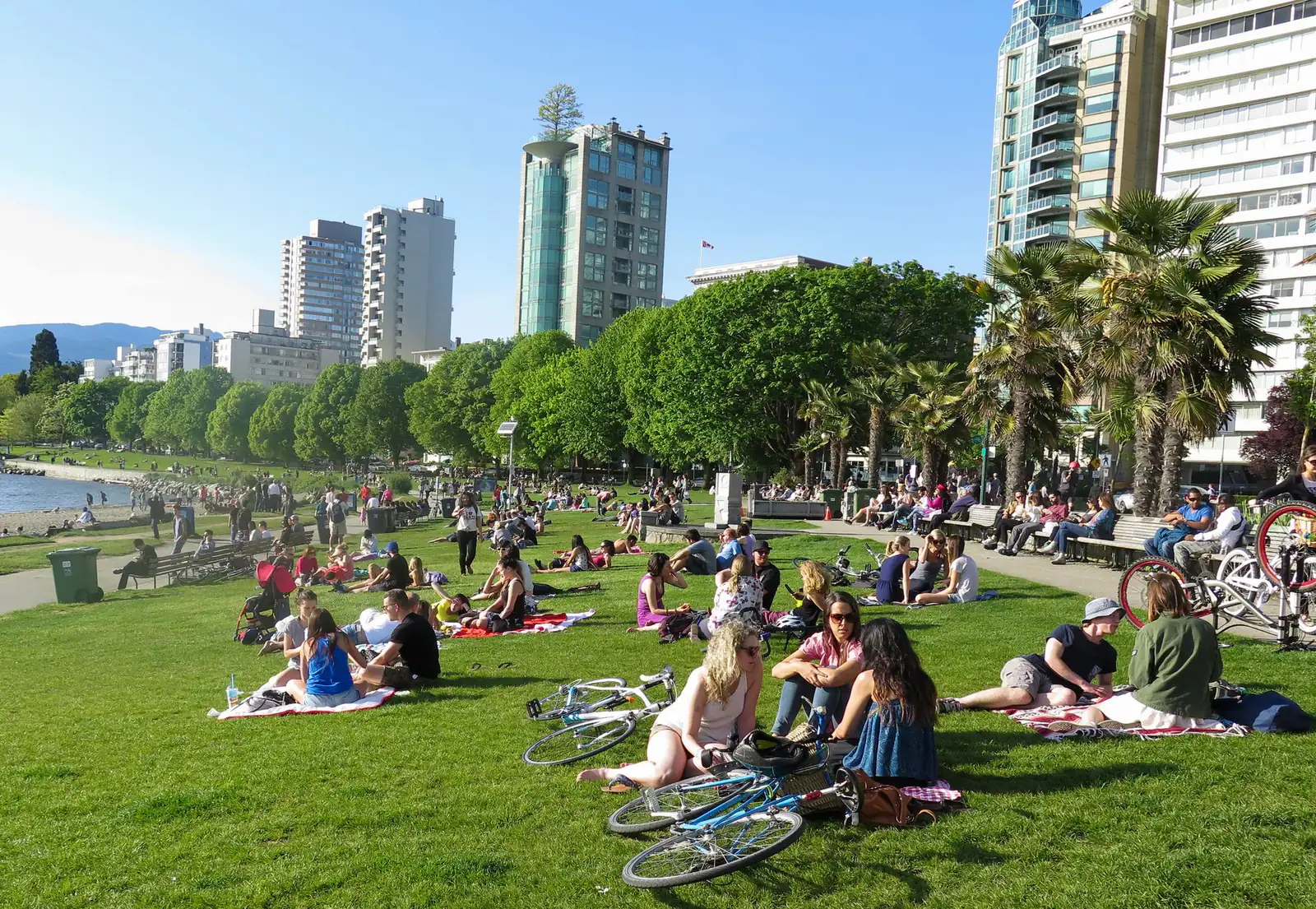
Ask people about their favourite park and many will not name a famous one. They will name the small park two blocks away, where their kids learned to ride a bike, where they walk the dog every morning, or where neighbours gather on summer evenings. Great neighbourhood parks are rarely spectacular. They are simply part of daily life.
So what separates a park people love from one they walk past?
It is close
The most important feature of a neighbourhood park is that it is easy to reach. Many planners talk about access within a short walk of home. When a park is close, people use it in small, frequent doses: ten minutes on a bench, a quick game, a lap with a stroller. That frequency is what turns a park into a community space.
It has places to sit
Seating sounds like a small detail, but it changes everything. Benches, low walls, steps and movable chairs give people a reason to stay. Seating that faces paths and play areas lets people watch the world go by, which is one of the oldest pleasures of public space. Shade matters just as much, especially as summers get hotter.
It works for every age
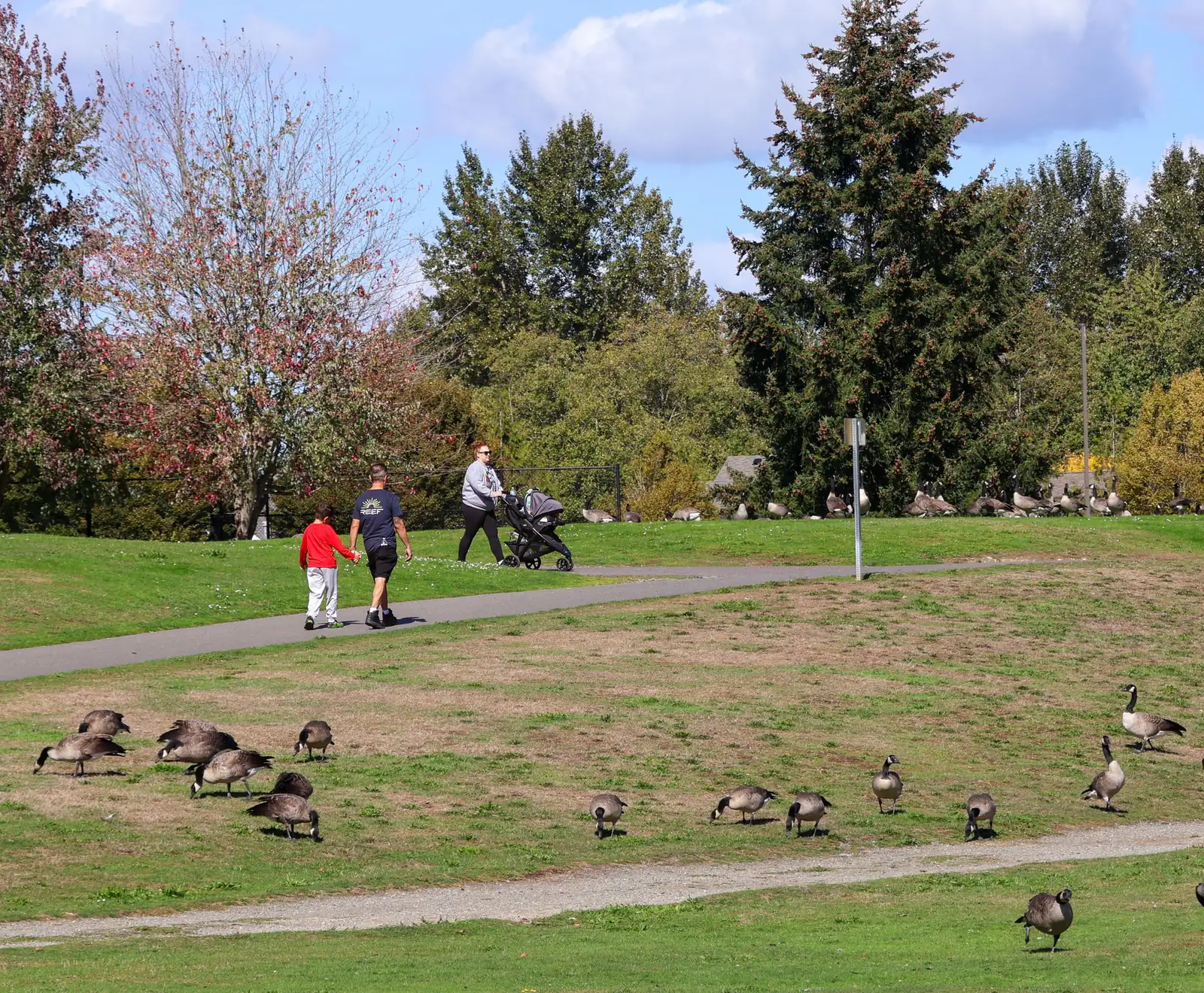
A great park serves toddlers, teenagers, adults and older residents. That might mean a playground, a court or open field, a looping path for walking, and quiet corners for reading. Accessible paths, gentle slopes and washrooms make a park usable for more people, including those with mobility needs and parents with strollers.
It changes with the seasons
In Canada, the best parks are four-season parks. A summer splash pad becomes a winter skating rink. A sloped lawn becomes a toboggan hill. Trees that offer shade in July give colour in October. Parks that are designed only for summer sit empty much of the year.
It is cared for
Maintenance is not glamorous, but it is central. Clean washrooms, emptied bins, repaired equipment and well-tended plantings signal that a space is valued, and people treat valued spaces with more care. Many Canadian parks also benefit from community groups that organize clean-ups, plant gardens or run events.
It has a little going on
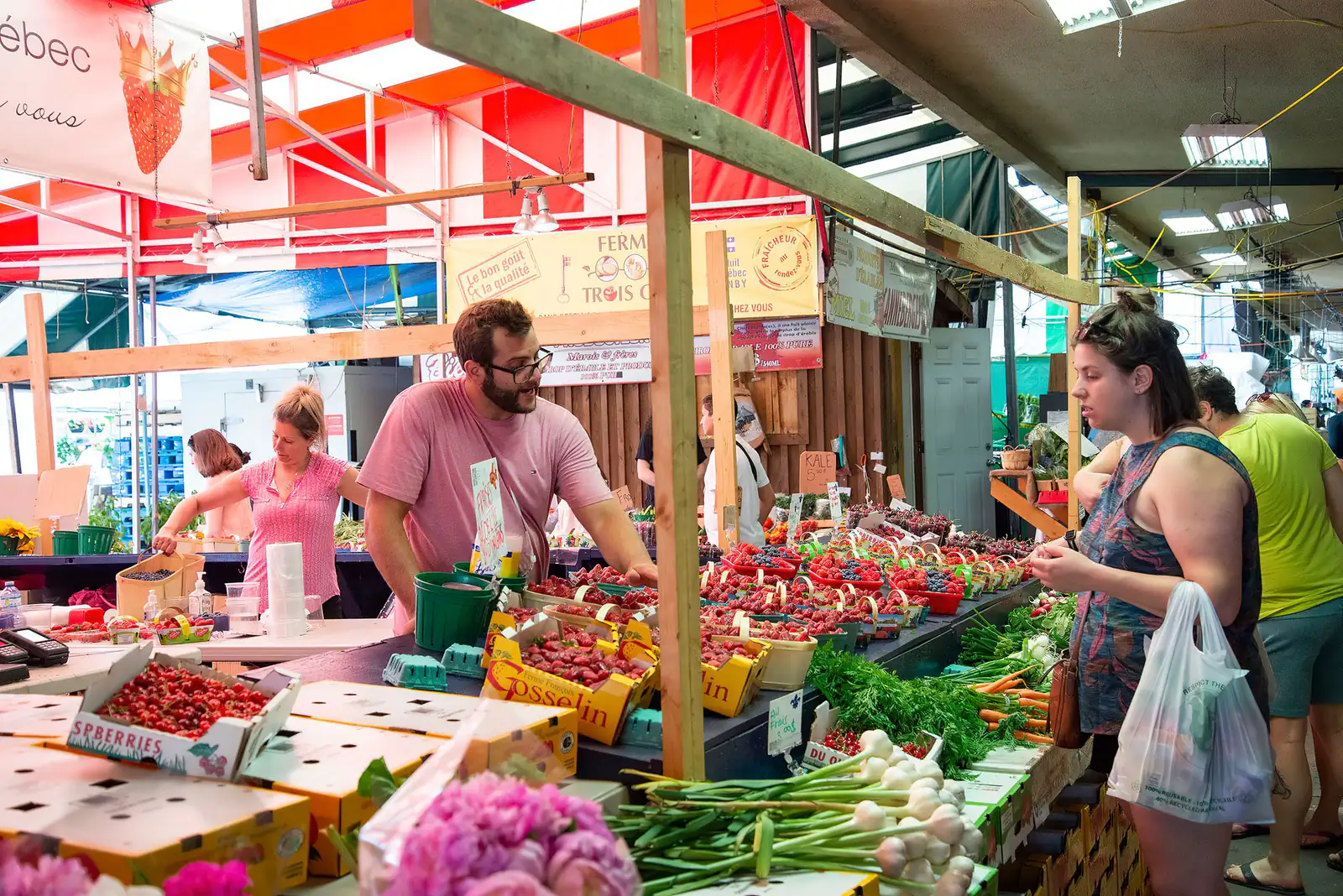
Programming can bring a park to life: a weekly market, outdoor fitness classes, movie nights, community festivals, a chess table. The best programming feels optional and occasional rather than constant, leaving plenty of room for unplanned use.
How to be a good park neighbour
- Follow posted rules about dogs, fires and amplified sound.
- Take your garbage with you if bins are full.
- Share space on paths and courts, especially at busy times.
- Report broken equipment or hazards to your municipality.
- Join a local friends-of-the-park group if one exists.
Small parks, big impact
When we think about what makes a city liveable, we often focus on big projects. But some of the most meaningful public investments are small: a well-placed bench, a shade tree, a path that connects two streets. A great neighbourhood park is proof that everyday places matter most.
Spotted an error or something out of date? Request a correction. Read about our editorial standards.